The best Goal Zero Yeti power station for most campers and overlanders is the Yeti 1000 (998Wh) for its balance of capacity, portability, and 2,000W inverter power. If you run a 12V fridge and want to stay out for multiple days without shore power, it handles the load without weighing down your rig. Smaller setups can go with the Yeti 500 or Yeti 700. Serious van builds and multi-day overland expeditions should look at the Yeti 1500 or Yeti PRO 4000.
Why Goal Zero Yeti Still Stands Out in 2026
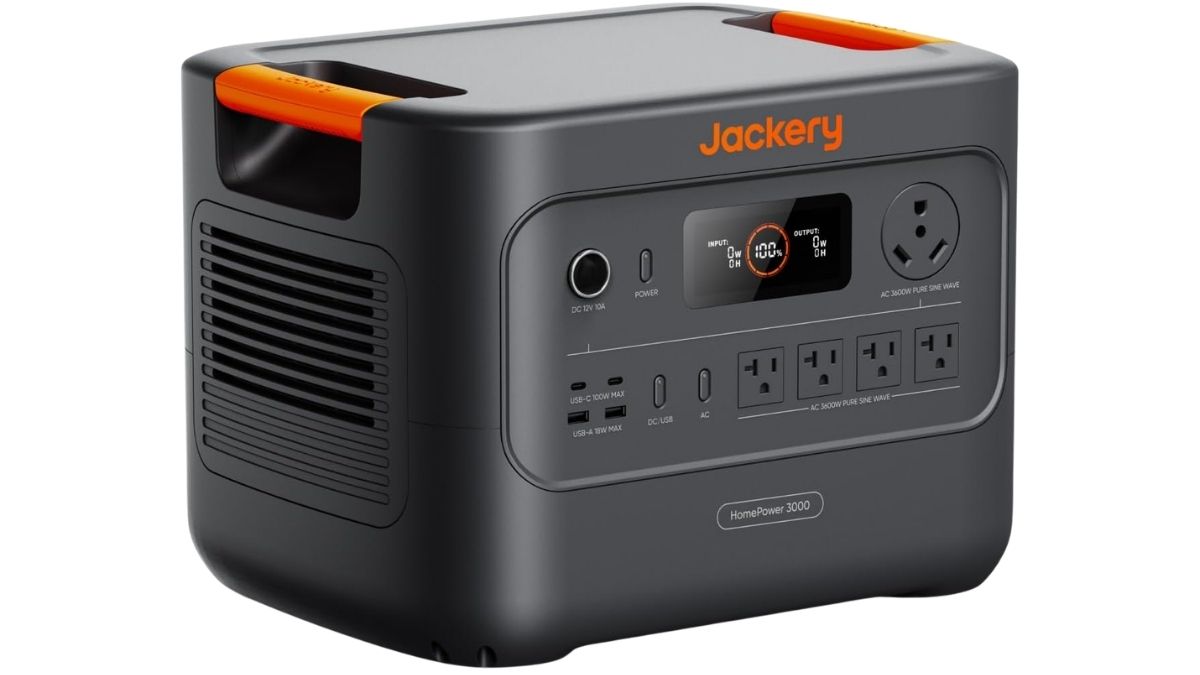
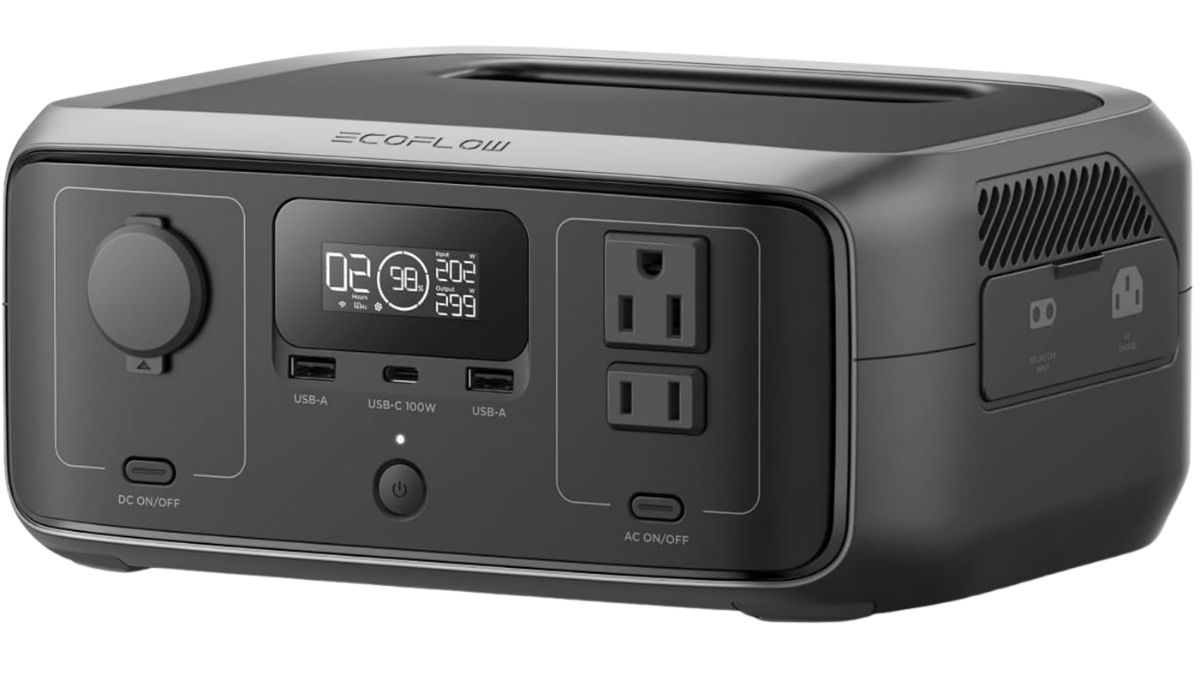
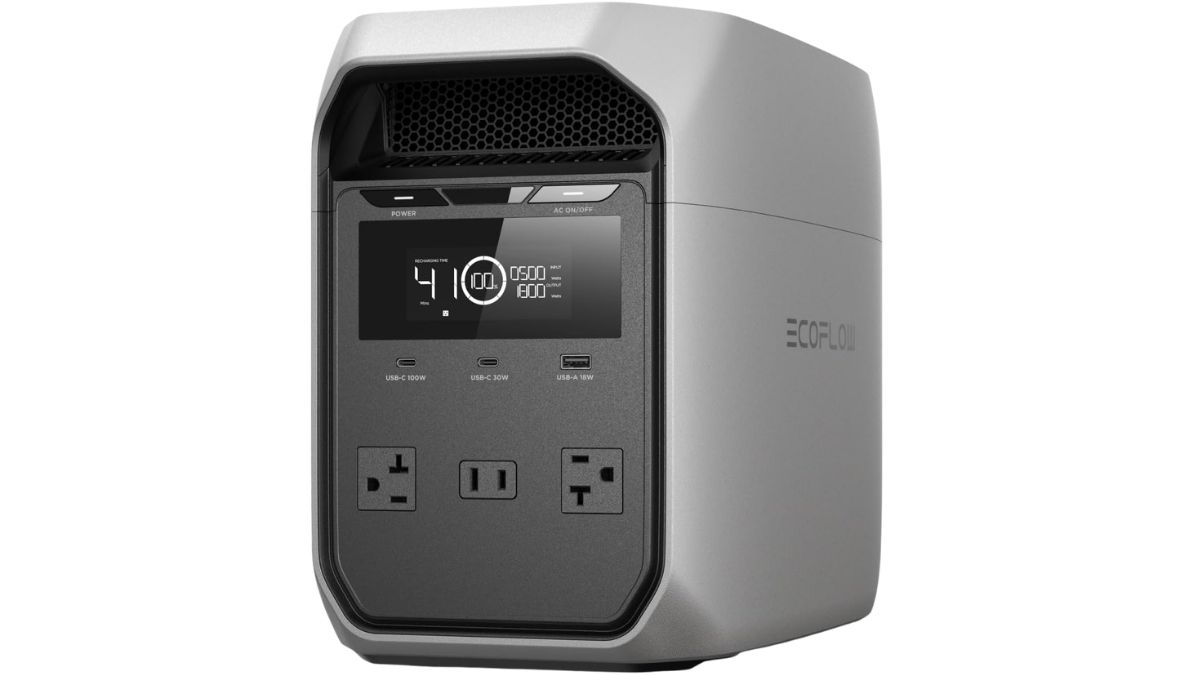
There are a lot of portable power stations on the market now. Jackery, EcoFlow, and Bluetti all make solid units. But Goal Zero Yeti models have earned a specific reputation among campers and overlanders for one reason: they are built to be used outside.
The 6th-generation Yeti lineup uses LiFePO4 (Lithium Iron Phosphate) battery chemistry, which is more thermally stable than standard lithium-ion, tolerates more charge cycles, and handles heat better in a hot truck bed or on a desert trail. The new Yeti 1500 launched in 2026 with an IPX4 water resistance rating, vibration testing for off-road use, and aluminum construction with port shields to keep out mud and rain. That is not standard on most competitor units.
Goal Zero was acquired by BioLite in April 2025 but continues to operate independently with the same product lines and US-based customer support. That has not changed the quality of the hardware.
One thing worth being honest about: Goal Zero Yeti stations cost more per watt-hour than Jackery or EcoFlow alternatives at most price points. You are paying for build quality, solar ecosystem compatibility, app control, and long-term durability. Whether that premium makes sense depends on how hard you plan to use the unit.
What to Look for Before You Buy
Capacity (Watt Hours)
Watt hours (Wh) tell you how much energy is stored. A simple way to estimate runtime: divide the station’s watt hours by your device’s wattage.
A 500Wh station running a 50W 12V fridge will last about 10 hours, minus some efficiency loss. Real-world numbers are usually 15 to 20 percent lower than theoretical, so factor that in.
For weekend camping with lights, phones, and a fridge: 500 to 700Wh is the minimum worth bringing. For multi-day overlanding without reliable solar: 1,000Wh or more.
Battery Chemistry: LiFePO4 vs Lithium-Ion
All current Yeti models use LiFePO4 chemistry. This matters for outdoor use because:
- LiFePO4 is more stable at high temperatures (relevant in a hot vehicle)
- It delivers 3,000 to 4,000+ charge cycles vs roughly 500 to 1,000 for older lithium-ion chemistry
- It does not degrade as aggressively when regularly charged to 100%
Older Yeti X models used NMC lithium-ion. The newer 6th-gen models are a meaningful upgrade for anyone planning long-term use.
Inverter Wattage
The inverter converts stored DC power to AC output. If you plan to run a standard AC appliance (blender, power drill, CPAP, laptop charger), the inverter watt rating is the ceiling.
- Yeti 300: 350W continuous / 600W surge
- Yeti 500 / 700 / 1000: 2,000W continuous
- Yeti 1500: 2,000W continuous / 3,600W surge
- Yeti PRO 4000: 3,600W continuous / 7,200W surge
Recharging Options
For overlanding, you want at least two ways to recharge: solar and 12V car charging. Wall charging is useful at home before you leave or at a campground with hookups.
The 12V car charging route via alternator is slow on most models (often 10+ hours for a full charge). Solar is the practical off-grid solution. Always check the max solar input wattage for the model you are buying and match your panels accordingly.
Weight vs Capacity Tradeoff
| Model | Weight |
|---|---|
| Yeti 300 | 13.7 lbs |
| Yeti 500 | ~22 lbs |
| Yeti 700 | ~28 lbs |
| Yeti 1000 | ~37 lbs |
| Yeti 1500 | ~46 lbs |
| Yeti PRO 4000 | 115.7 lbs (with cart) |
The PRO 4000 ships with a wheeled cart and is not a station you carry in one hand. It lives in a van or truck bed.
Best Goal Zero Yeti Power Stations for Camping and Overlanding
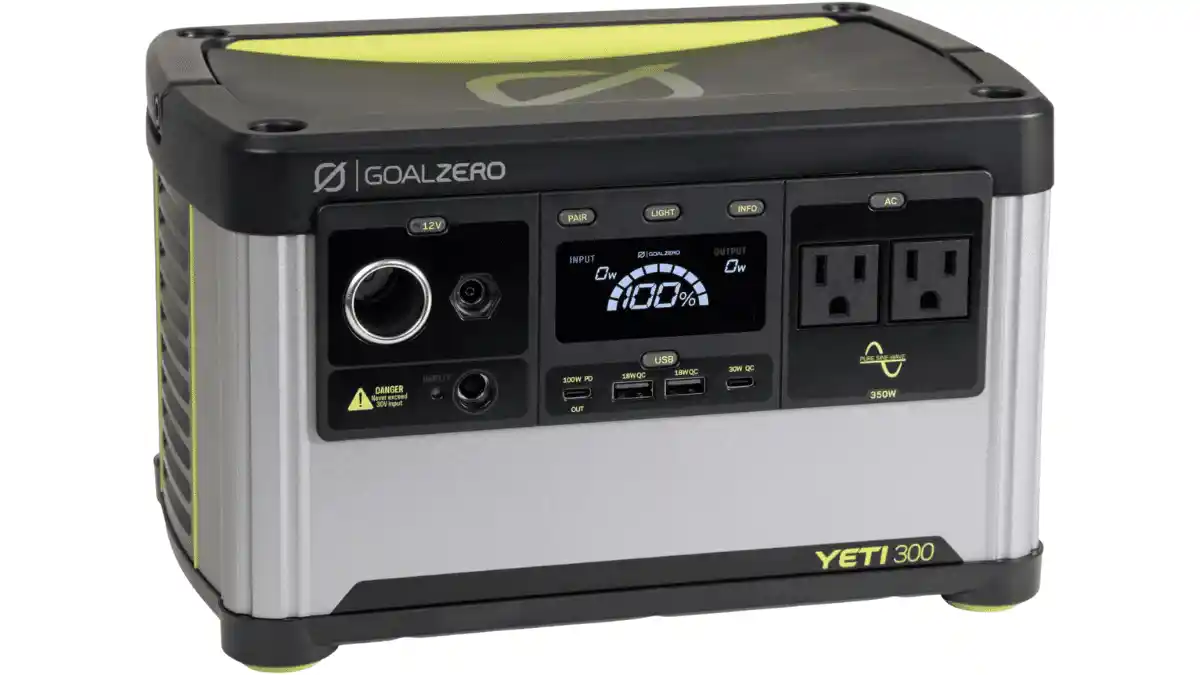
1. Yeti 300 – Best for Ultralight Camping and Day Trips
The Yeti 300 is the smallest full-featured station in the current lineup at 297Wh and 13.7 pounds. It charges from 0 to 100 percent in about 50 minutes from the wall using its fast AC mode. For a station this size, that is genuinely fast and changes how you use it in the field.
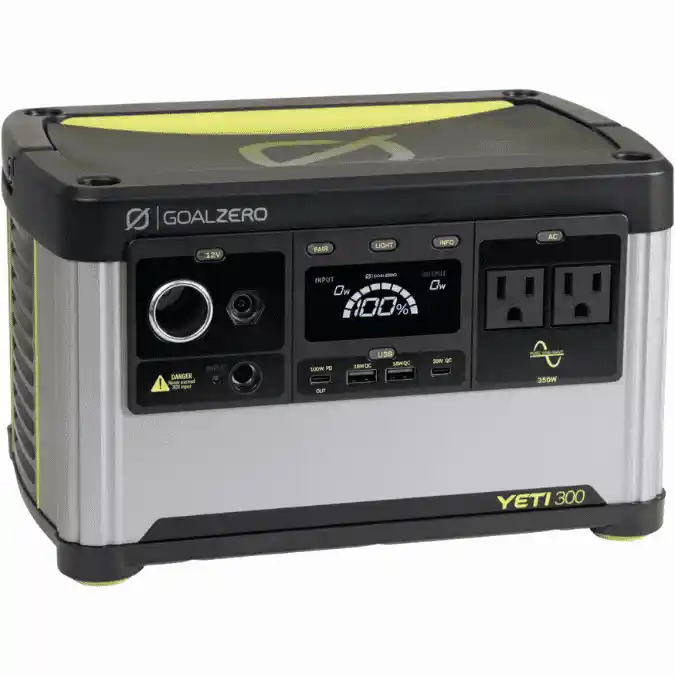
It has a 100W USB-C PD port for laptops and modern devices, two USB-A ports, a 12V auxiliary output, and a 350W AC inverter. Solar input maxes at 200W, which is enough to pair with a Nomad 100 or Nomad 200 panel for light off-grid use.
The build quality is a step above what you get from comparably priced competitors. Aluminum casing, IPX4 water resistance, covered ports, and a 4,000-cycle LiFePO4 battery. Men’s Journal field testers used it on an overland trip to power GPS, phones, tablets, a laptop, a winch remote, and an air compressor without issues.
Best for: Backpackers, motorcycle campers, minimalist car campers, overlanders who need a compact secondary unit.
Honest limitation: It will not run a 12V fridge overnight on a single charge without solar input. If that is a core need, size up to the Yeti 500 or 700.
2. Yeti 500 – Best for Car Camping with a Fridge
The Yeti 500 sits at 499Wh and is the most popular entry point for car campers who want to run a portable fridge. Real-world testing shows it can power a 12V fridge for over 48 hours without any solar input, which covers most weekend trips comfortably.
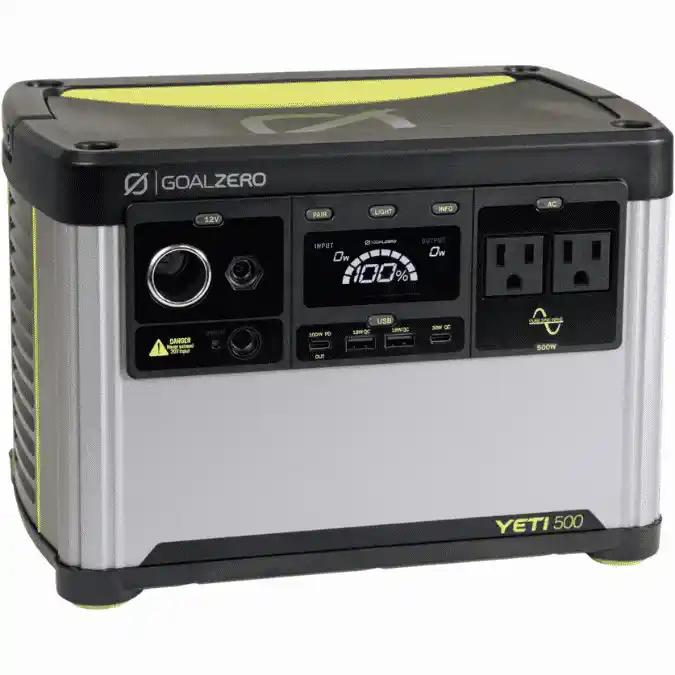
Like all 6th-generation Yeti stations, it uses LiFePO4 chemistry and carries a rugged build rated for mud, dirt, dust, and water. The 2,000W inverter handles most camping appliances including blenders, fans, CPAP machines, and standard laptop chargers.
It pairs well with a Nomad 100 or Boulder 100 Briefcase panel for recharging during the day. A single 100W panel will add meaningful range on a sunny day, keeping a fridge running indefinitely in good solar conditions.
Best for: Car campers, tailgaters, weekend overlanders who prioritize portability over max runtime.
3. Yeti 700 – Best Mid-Range for Overlanding
At 677Wh, the Yeti 700 gives you meaningfully more headroom than the 500 without jumping to the heavier 1000. It runs a 12V fridge plus lights and device charging simultaneously for a full day without solar. With a Nomad 200 panel topped up during daylight hours, it handles multi-day trips in good sun conditions.
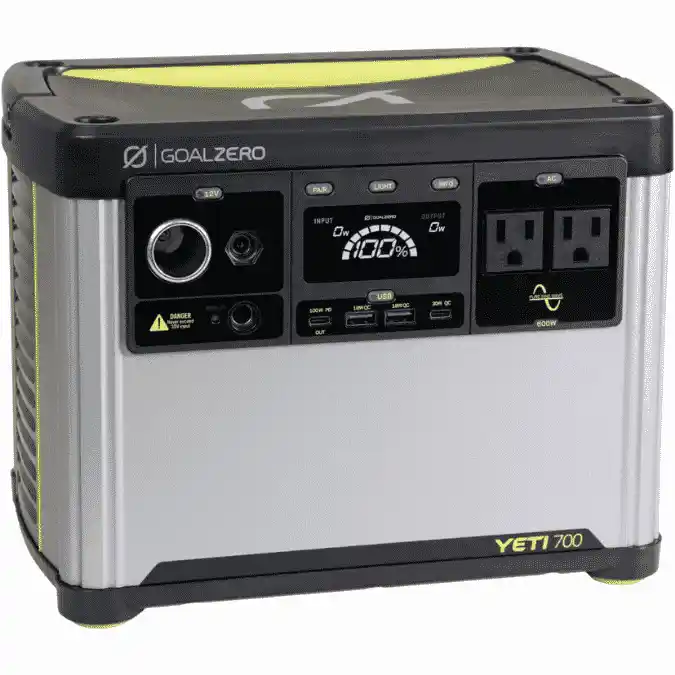
It uses the same LiFePO4 chemistry and 2,000W inverter as the 500. Goal Zero markets it for RVs, power tools, and off-grid festivals as well, which gives you a sense of what the inverter can handle.
Best for: Weekend overlanders, first-time Yeti buyers who want a comfortable buffer for fridge + device loads.
4. Yeti 1000 – Best Overall for Camping and Overlanding
The Yeti 1000 at 998Wh is the strongest all-around recommendation for serious campers and overlanders. It charges 10 times faster than previous-generation Yeti models, carries a 2,000W inverter, and has enough capacity to run a fridge plus a full complement of devices for a multi-day trip with moderate solar support.
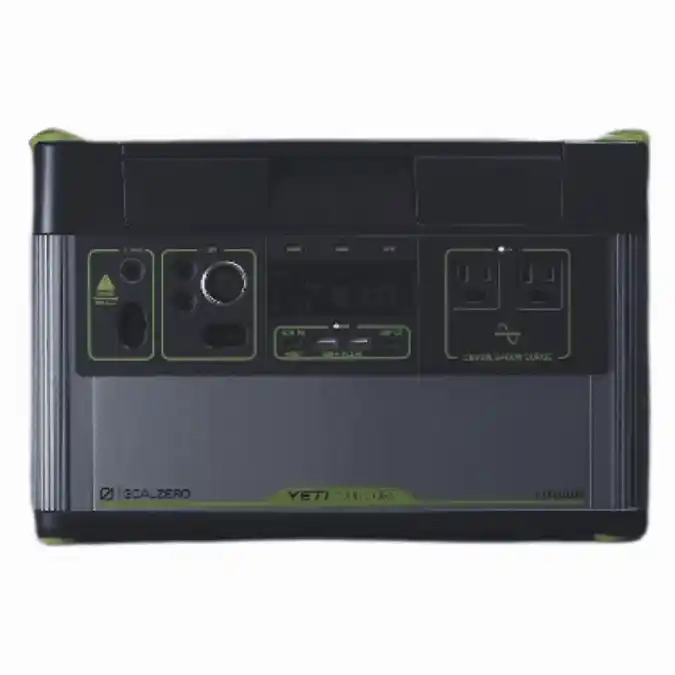
At roughly 37 pounds it is still manageable as a carry-in/carry-out unit, unlike the heavier 1500 and PRO 4000 that work better as semi-permanent vehicle installs.
The Yeti 1000 works well as the centerpiece of a rooftop tent or ground-camp basecamp setup. Pair it with two Nomad 100 panels and you have a system that can sustain continuous fridge operation in average sun conditions.
Best for: Overlanders, rooftop tent campers, multi-day basecamp setups, anyone who wants headroom without going full van-build scale.
5. Yeti 1500 – Best for Van Life and Extended Expeditions
The Yeti 1500 is the newest addition to the lineup, released in 2026. It carries 1,505Wh with a 2,000W continuous inverter and 3,600W surge rating. It charges from 0 to 100 percent in about 1.1 hours from the wall, which is the fastest charge rate Goal Zero has ever offered on a station this size.
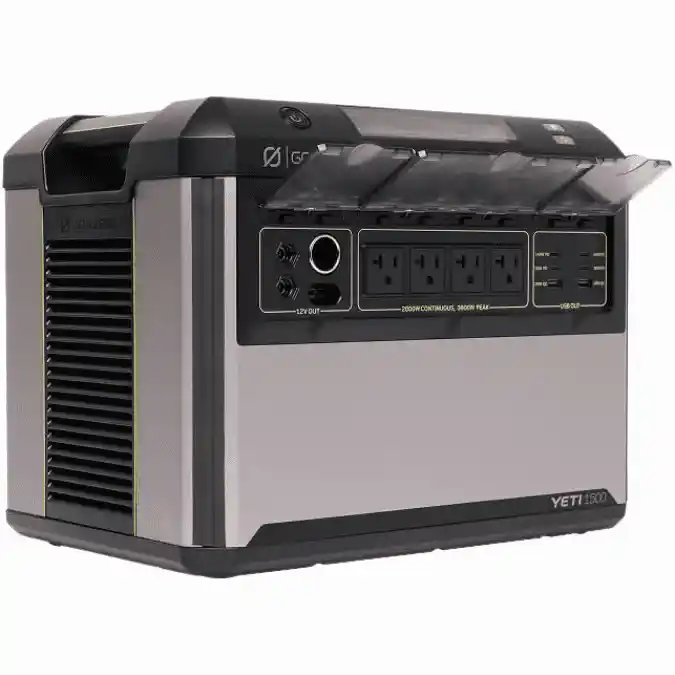
It has an IPX4 rating, aluminum construction with port shields, and vibration-tested internals specifically for off-road use. This is not just marketing language: the build is noticeably more rugged than the older 1500X it replaces.
For van builds and extended overlanding trips, pairing the Yeti 1500 with two Nomad 200 panels gives you a capable, self-sustaining system that can run a fridge, lighting, USB charging, and a CPAP machine indefinitely in reasonable sun conditions.
Best for: Van lifers, extended expedition overlanders, anyone building a semi-permanent vehicle power system.
6. Yeti PRO 4000 – Best for Dedicated Overland Rigs
The Yeti PRO 4000 is in a different category. At 3,994Wh with a 3,600W continuous inverter and 7,200W surge capacity, it is designed for serious vehicle integrations, not casual trips. It weighs 115 pounds and ships with a wheeled cart.
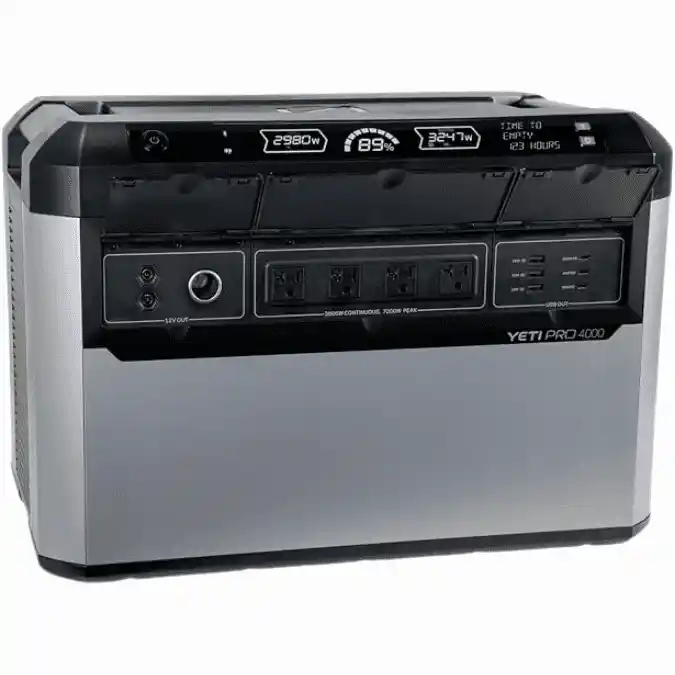
The PRO 4000 accepts up to 3,000W of solar input, which means with four Nomad 400 panels it can charge from 0 to 80 percent in under 90 minutes of direct sun. The built-in battery management system runs over 100 safety checks per second. It meets UL2743 certification standards, which is the leading outdoor battery safety rating.
It integrates directly into van and RV electrical systems through Goal Zero’s Escape Ecosystem. It can also back up up to 10 home circuits through the Haven 10 Manual Transfer Switch.
One honest note: early firmware issues were reported by some users, including phantom drain and incorrect state-of-charge readings. Goal Zero has pushed updates to address these. Check that you are running the latest firmware before relying on it for critical use.
Best for: Dedicated overland builds, full-time van lifers, serious expedition vehicles where weight is not a constraint.
Not for: Anyone who wants to pick it up and carry it. This lives in a vehicle or at a fixed campsite.
Goal Zero Yeti Model Comparison Table (2026)
| Model | Capacity | Inverter | Battery Type | Weight | Solar Input | IPX Rating | Best Use |
|---|---|---|---|---|---|---|---|
| Yeti 300 | 297Wh | 350W / 600W surge | LiFePO4 | 13.7 lbs | 200W | IPX4 | Day trips, light camping |
| Yeti 500 | 499Wh | 2,000W | LiFePO4 | ~22 lbs | Mid-range | Splash resistant | Car camping, fridge use |
| Yeti 700 | 677Wh | 2,000W | LiFePO4 | ~28 lbs | Mid-range | Splash resistant | Weekend overlanding |
| Yeti 1000 | 998Wh | 2,000W | LiFePO4 | ~37 lbs | Higher | Splash resistant | Multi-day overlanding |
| Yeti 1500 | 1,505Wh | 2,000W / 3,600W surge | LiFePO4 | ~46 lbs | 600W+ | IPX4 | Van life, extended trips |
| Yeti PRO 4000 | 3,994Wh | 3,600W / 7,200W surge | LiFePO4 | 115.7 lbs | 3,000W | Outdoor-rated | Dedicated vehicle builds |
Solar Pairing: How to Choose the Right Panel
This is where most buyer guides fall short. Picking a Yeti without thinking about solar is like buying a truck without thinking about fuel.
Goal Zero makes two panel types:
Nomad panels are lightweight and foldable. They are designed for portability. The Nomad 100 (100W) and Nomad 200 (200W) work well for ground deployment at camp. The Nomad 400 (400W) is the choice for high-capacity units like the Yeti 1500 and PRO 4000.
Boulder panels are rigid and tempered glass construction. They are heavier but more durable and better suited for roof mounting or semi-permanent installations on a vehicle or trailer. The Boulder 100 Briefcase is the most popular overlanding choice for mid-range Yeti stations.
A practical solar pairing guide:
- Yeti 300: Nomad 50 or Nomad 100
- Yeti 500: Nomad 100 or Boulder 100 Briefcase
- Yeti 700: Nomad 100 or Nomad 200
- Yeti 1000: Two Nomad 100 panels or one Nomad 200
- Yeti 1500: Nomad 400 or two Nomad 200 panels
- Yeti PRO 4000: Two to four Nomad 400 panels
One important tip for overlanders: run your solar cable through a slightly open window rather than through the door seal. Use an extension cable to position your panel on the roof or hood while your station stays locked inside the cab. It works and keeps your gear secure.
Mistakes to Avoid
Buying too small and expecting it to run a fridge. A Yeti 300 is a great unit but it is not a fridge station. If running a 12V fridge through the night is the main goal, start at the Yeti 500 at minimum.
Ignoring the inverter rating. The capacity (Wh) tells you how long something runs. The inverter rating tells you what it can run at all. Connecting a 400W device to a 350W inverter will shut the unit down or damage it.
Charging via 12V car outlet for multi-day trips. The 12V car charging method via a cigarette lighter port is slow and limits output. For serious charging while driving, look into alternator charging setups, especially for the larger Yeti models.
Not updating firmware on the PRO 4000. Early units had software-level issues. Connect to the app and pull any available firmware updates before heading out.
Goal Zero Yeti vs Jackery vs EcoFlow: Honest Take
Goal Zero Yeti stations typically cost more per watt-hour than Jackery or EcoFlow alternatives. For most users the tradeoff looks like this:
- Jackery is more affordable and good for light to medium use. Build quality is solid but not metal-cased like Yeti.
- EcoFlow charges faster on mid-range models and has expandable capacity options that are hard to beat at certain price points.
- Goal Zero Yeti wins on outdoor durability, LiFePO4 longevity, vibration resistance for off-road use, and solar ecosystem depth. If you are an overlander who will be using the station daily for years in rough conditions, the premium makes sense.
Bluetti is also worth considering at the high-capacity end, but Goal Zero’s outdoor-specific certifications (UL2743 on PRO 4000, IPX4 on Yeti 300 and 1500) and US-based support remain differentiating factors.
Expert Recommendation
For most campers: Start with the Yeti 700 or Yeti 1000. They hit the right capacity range for a fridge plus full camp power, weigh under 40 pounds, and have a 2,000W inverter that handles virtually everything you would bring on a trip.
For overlanders: The Yeti 1000 with two 100W solar panels is the most practical and complete setup for a rooftop tent or ground-camp rig. If your trips run longer than a week or your power draw is high, step to the Yeti 1500 and add a Nomad 400.
For van builds: The Yeti 1500 or PRO 4000 depending on how much you plan to run. The PRO 4000 is only worth the weight and cost if you are doing a dedicated vehicle integration and need to run high-draw appliances.
FAQ
What is the best Goal Zero Yeti power station for camping?
The Yeti 700 or Yeti 1000 for most campers. Both run a fridge, lighting, and devices through a multi-day trip without stress.
Can a Goal Zero Yeti run a 12V refrigerator?
Yes. The Yeti 500 runs a 12V fridge for over 48 hours on one charge. Pair any Yeti with a solar panel and runtime extends further.
Can I take a Goal Zero Yeti on a plane?
No. All Yeti stations exceed the FAA 100Wh lithium battery limit and cannot be brought on commercial flights.
How long does a Goal Zero Yeti last?
6th-generation models use LiFePO4 rated for 4,000+ cycles, which equals over 10 years of daily use.
Is Goal Zero Yeti better than EcoFlow or Jackery for overlanding?
For outdoor durability and off-road use, yes. EcoFlow wins on charging speed and value per watt-hour. Jackery is the budget pick.
What solar panel works best with the Goal Zero Yeti 1000?
Two Nomad 100 panels or one Nomad 200. Either setup keeps the Yeti 1000 topped off during a day of camping.
Is the Goal Zero Yeti PRO 4000 worth it for overlanding?
Only if you are doing a dedicated vehicle build. For trip-based overlanding, the Yeti 1500 is more practical and much easier to move.