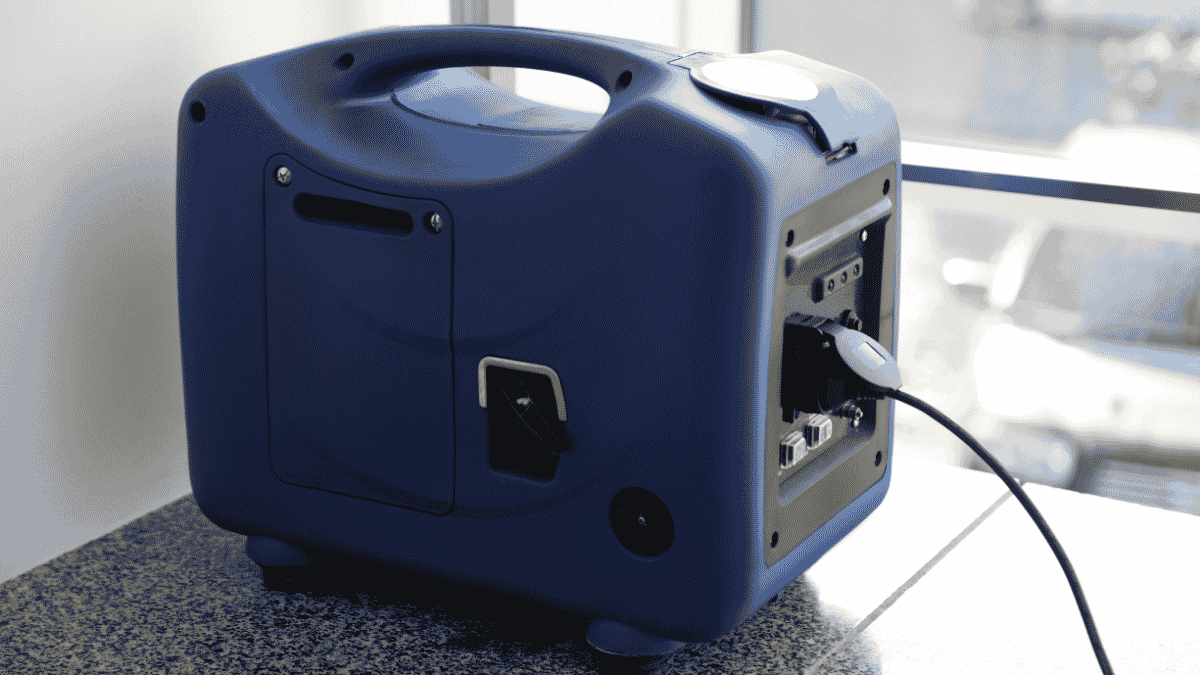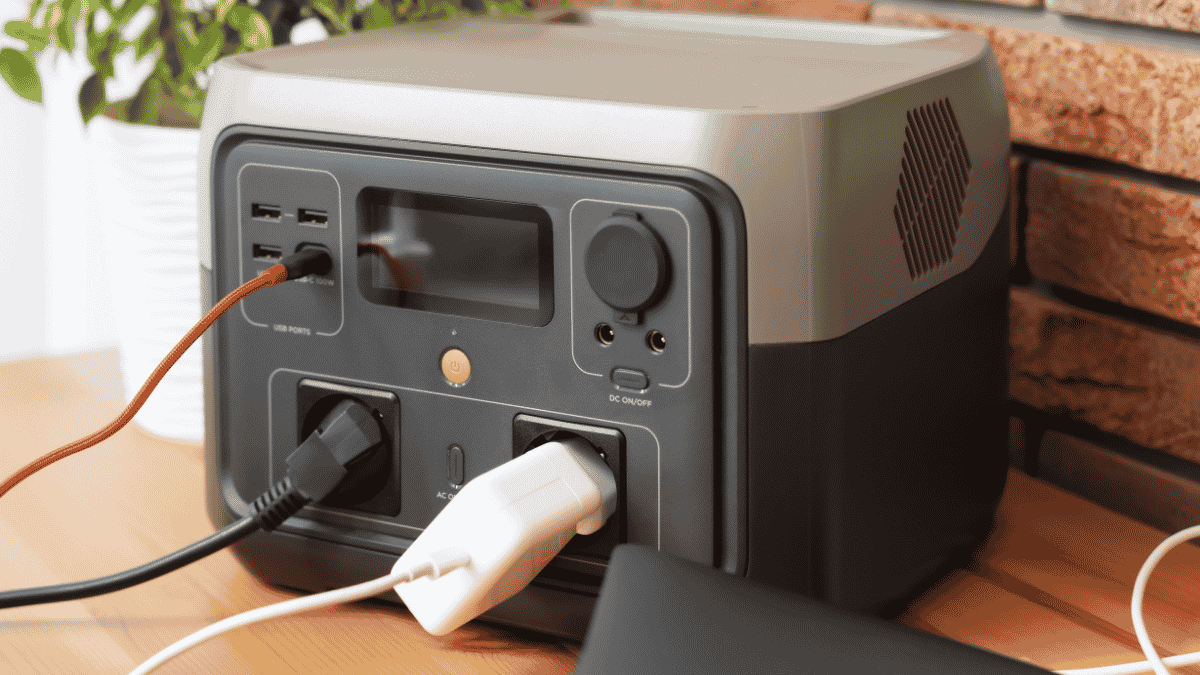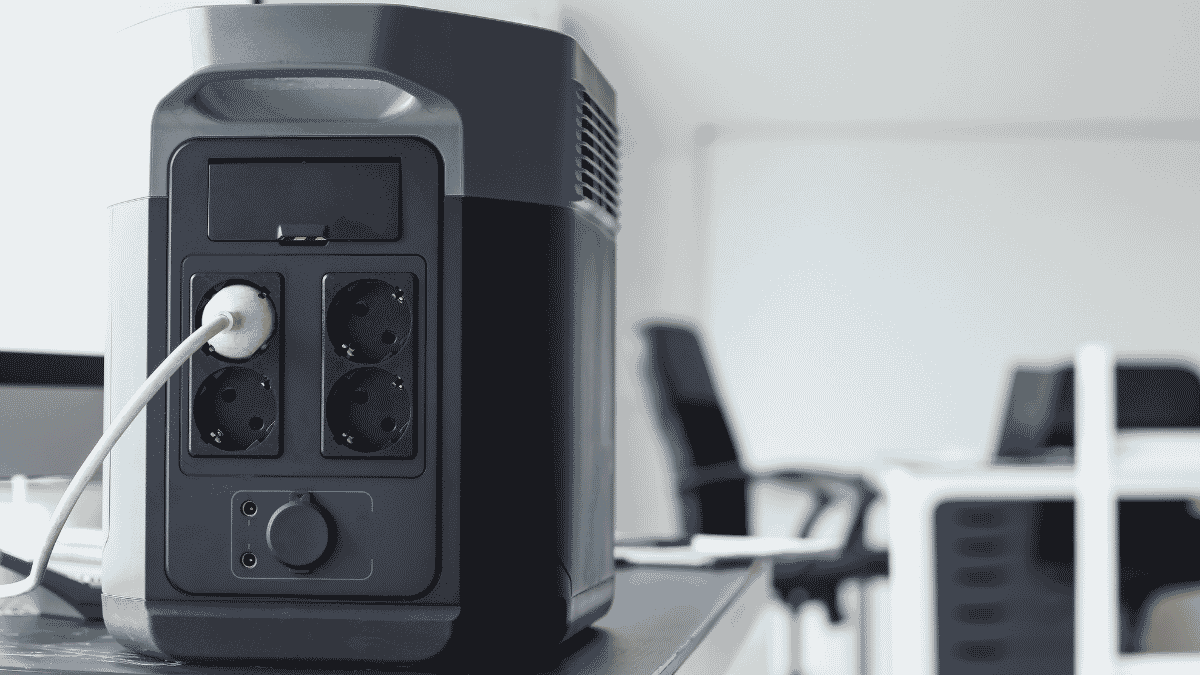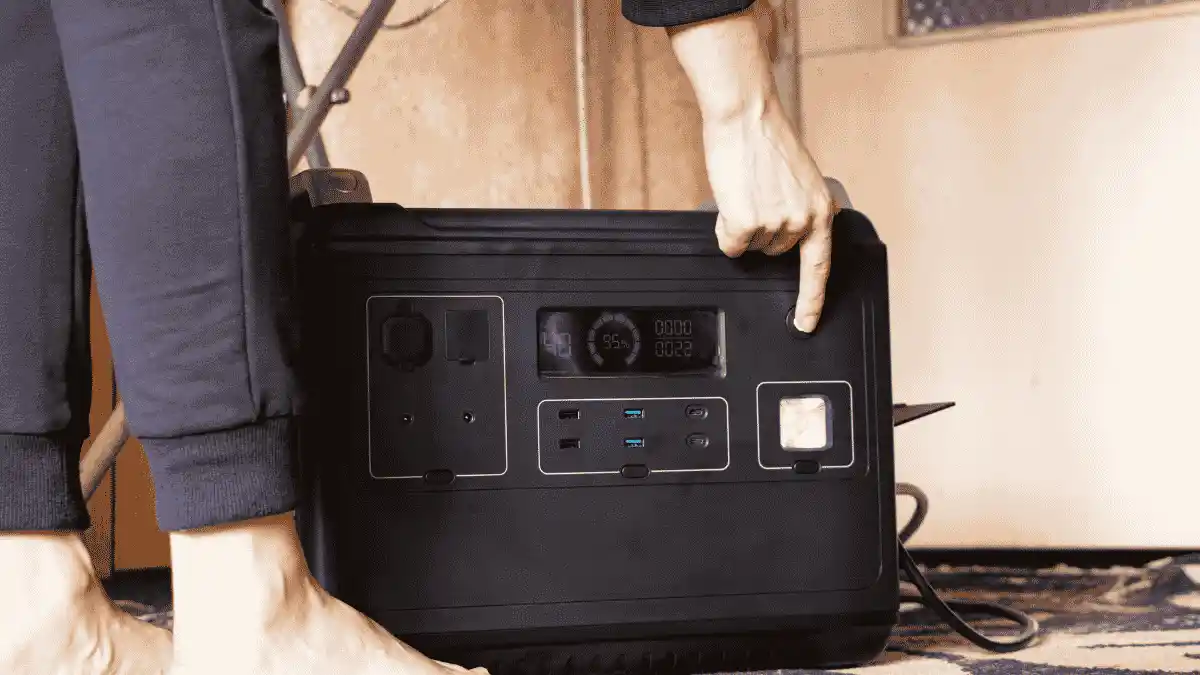
A 1000W portable power station can run laptops, LED TVs, CPAP/BiPAP machines, fans, LED lights, mini fridges, phone chargers, Wi-Fi routers, small power tools, and most devices under 1000 watts. It cannot reliably run window air conditioners, full-size microwaves, electric kettles, space heaters, or any appliance that draws more than 1000 watts continuously. Runtime depends on battery capacity (measured in watt-hours) and how much power your devices actually draw.
The Real Question People Get Wrong
Most people shopping for a 1000W portable power station ask “how many watts does it have?” But that is actually the wrong first question. What you really need to know is two separate things: how much power it can deliver at once and how much energy it stores in total.
A 1000W power station can run any device that draws 1000 watts or less at the same time. The battery capacity , measured in watt-hours (Wh) , tells you how long those devices can run.
Think of it this way: watts is how wide the pipe is. Watt-hours is how much water is in the tank.
If you have a 1000Wh battery and you run a 100W device, you will get roughly 10 hours of runtime (minus about 10–15% for inverter efficiency losses). If you run a 500W device, you get closer to 2 hours.
This distinction trips people up constantly. You could have a 1000W power station with only a 500Wh battery , meaning it can handle high-wattage loads but runs out of fuel quickly. Most quality units in this category come with 900Wh to 1,280Wh of actual capacity, which is a solid real-world number.
What Can a 1000W Portable Power Station Actually Run?
Electronics and Everyday Devices
This is where a 1000W unit genuinely excels. Your phone charges at 5–30W. A laptop typically draws 45–90W depending on the model and whether it is under load. A Wi-Fi router sits around 10–20W. An LED TV pulls 50–150W depending on screen size.
Running a laptop, phone, router, and a small LED TV simultaneously adds up to roughly 200–350W total , well inside a 1000W limit and very manageable on a 1000Wh battery for a full day of use.
Real-world scenario: Power outage on a Tuesday night. You can keep your internet router running, charge your laptop to finish work, keep a TV on for the kids, and charge multiple phones , all at the same time, for 5 to 8 hours on one charge.
CPAP and BiPAP Machines
This is one of the strongest use cases for a 1000W unit, and it is worth getting specific because it matters.
A standard CPAP machine without a heated humidifier draws around 20–30W. With a humidifier and heated tubing turned on, it jumps to 50–75W. A BiPAP machine tends to run slightly higher at 40–80W depending on settings and the model.
Using the actual runtime formula (battery capacity in Wh × 0.9 inverter efficiency ÷ device wattage):
- 1000Wh unit running a CPAP at 25W: roughly 36 hours
- 1000Wh unit running a CPAP at 60W (with humidifier): roughly 15 hours
That means a single charge from brands like Jackery, EcoFlow, or Bluetti can cover two or even three nights of sleep comfortably , especially if you turn off the humidifier. For anyone who relies on a CPAP machine while camping or during power outages, this is a genuinely useful number.
Mini Fridges and Portable Coolers
A mini fridge or 12V portable cooler draws between 40W and 100W while running, though the compressor startup surge can briefly spike to 300–500W. A 1000W unit handles this startup surge easily.
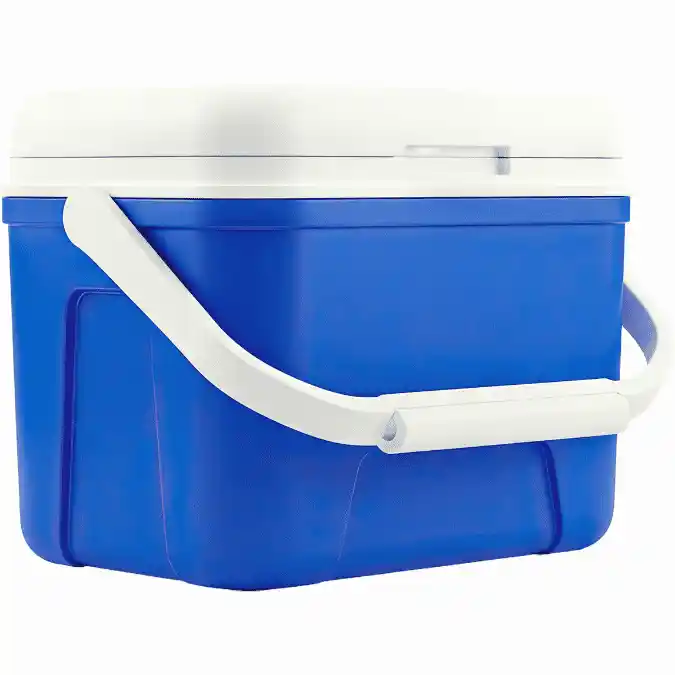
With a 1000Wh battery running a 60W mini fridge: roughly 14 to 16 hours of runtime, accounting for the compressor cycling on and off rather than running continuously.
Important caveat: a full-size household refrigerator is a different story. Full-size models draw 100–800W to run and can spike to 1200–2000W at startup. Whether a 1000W unit can handle it depends entirely on the surge (peak) wattage rating of the specific power station , not just the continuous 1000W output. Some models like the EcoFlow DELTA 3 Classic offer 3600W surge capacity despite a lower continuous rating, which makes them far more capable here than the base spec suggests.
Small Kitchen Appliances
- Coffee maker: 600–900W , usually fits, but drains the battery quickly in one use. A standard 900W coffee maker running for 8 minutes uses about 120Wh , that is 12% of a 1000Wh battery per brew.
- Blender: 300–600W , no problem for short bursts.
- Toaster: 800–1500W , borderline. A 900W toaster works; a 1500W model does not.
- Microwave (small, compact model): 700–1000W input , only compact models with actual input wattage under 1000W will work. Check the label. The “cooking watts” printed on the front is not the same as input wattage.
Power Tools (Light to Medium Duty)
A corded drill draws 400–700W. A circular saw pulls 1200–1800W , too high for most 1000W units. A jigsaw sits around 400–700W. An angle grinder varies from 600W to 1400W depending on size.
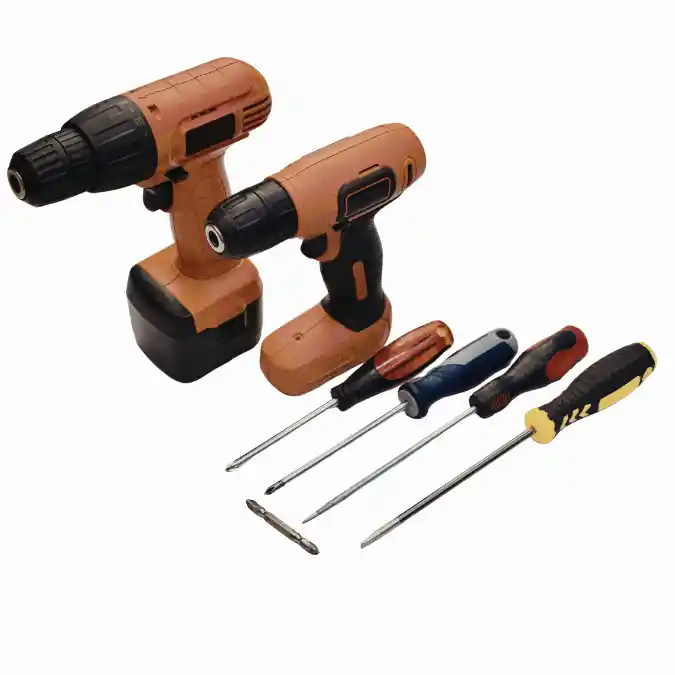
For light job site use or DIY projects, a 1000W station covers drills, jigsaws, small sanders, and LED work lights. It is not a replacement for a gas generator running heavy equipment, but it handles plenty.
Brands like Jackery and Anker SOLIX include multiple AC outlets on their 1000W-class units specifically for this kind of mixed-load use.
Fans and Lighting
Box fans pull 50–100W. Ceiling fans draw 15–75W. LED bulbs use 5–15W each. This category is almost irrelevant from a wattage standpoint , lights and fans barely register on a 1000Wh battery and can run for many hours or overnight without issue.
What a 1000W Power Station Cannot Run Reliably
Being honest about limitations here is important. A lot of content glosses over these to avoid discouraging buyers. Here is the straight answer.
Window AC units typically require 1,200 to 1,500 watts just to run continuously, plus a heavy startup surge. Even if the running wattage fits under 1000W, the compressor startup will trip the overload protection on most standard 1000W units.
Electric kettles are deceptively power-hungry. Most draw 1,200 to 1,500W , over the 1000W limit , and they run that high the entire time they boil. Skip the kettle; a camping percolator on a butane burner is a better trail option.
Hair dryers run at 1,200 to 1,875W. A travel hair dryer at 1,000W might just fit, but there is no margin for anything else running simultaneously.
Space heaters are the single worst thing to plug into a portable power station. They draw 750 to 1,500W continuously and are pure heat load , meaning you are converting expensive stored battery energy into heat with no efficiency. You can do it, but you will drain a 1000Wh battery in under 90 minutes. It is not practical.
Electric stovetops and induction cooktops draw 1,200W to 1,800W minimum. These require a 2000W+ power station.
Runtime Estimates: Real Numbers for Common Devices
This table uses a 1000Wh battery with 90% inverter efficiency applied (900Wh usable output).
| Device | Typical Wattage | Estimated Runtime |
| Smartphone charging | 20W | 45 hours |
| Laptop (work use) | 65W | ~13 hours |
| LED TV (50″) | 100W | ~9 hours |
| Wi-Fi router | 15W | ~60 hours |
| CPAP (no humidifier) | 25W | ~36 hours |
| CPAP (with humidifier) | 60W | ~15 hours |
| Mini fridge (12V cooler) | 60W | ~15 hours |
| Box fan | 75W | ~12 hours |
| LED work light | 20W | ~45 hours |
| Power drill (active use) | 500W | ~1.8 hours |
| Coffee maker (single brew) | 900W | ~1 hour total |
| Small blender (single use) | 400W | ~2.25 hours |
Note: Runtime decreases when running multiple devices simultaneously. Add up all running wattages to get your total load before estimating.
The Surge Wattage Problem Nobody Explains Clearly
This is the most common reason people are disappointed after buying a 1000W power station.
Every motor-driven device , refrigerators, pumps, some power tools, air compressors , needs a burst of extra power to start. That startup spike is called surge wattage or peak wattage, and it can be 2 to 3 times the running wattage.
A mini fridge that runs at 80W might spike to 400W for half a second when the compressor kicks on. Most 1000W units handle this fine because they have a surge/peak rating of 1500W to 2000W.
But a full-size refrigerator that runs at 150W might surge to 1800W at startup. That will likely trip the unit’s overload protection and shut it down automatically , even though the running wattage technically fits.
How to check: Look for the surge or peak wattage rating on the power station spec sheet , not just the continuous output. Brands like EcoFlow and Bluetti list both. A unit with 1000W continuous and 2000W peak handles far more real-world loads than one rated 1000W continuous and 1000W peak.
How Long Will a 1000W Power Station Last? (Recharge Guide)
Runtime is one half of the equation. The other half is how quickly you can put energy back in.
| Charging Method | Typical Recharge Time (1000Wh) |
| Wall outlet (AC) | 1.5 to 2.5 hours (fast charge units) |
| Wall outlet (standard) | 5 to 8 hours |
| 200W solar panel | 5 to 8 hours (clear sun) |
| 400W solar panel setup | 2.5 to 4 hours |
| 12V car port | 8 to 12 hours |
LiFePO4 battery units from brands like Bluetti, EcoFlow, Jackery, and Goal Zero support faster AC recharge speeds and offer 3000 to 5000 charge cycles compared to 500 to 1000 cycles from older NMC (Nickel Manganese Cobalt) batteries. If you plan to use this unit regularly, LiFePO4 chemistry is worth paying for.
Best Uses for a 1000W Portable Power Station
Home Power Backup During Outages
A 1000W unit is a practical short-term home backup solution. It covers the essentials that matter most: keeping the internet on, charging phones and laptops, running a CPAP overnight, powering a fan or space-efficient LED lights, and keeping a mini fridge cold for 12 to 15 hours.
It is not a whole-home backup system. For that, you need a 5kWh+ home battery system. But for a one-night or weekend outage, it handles the critical stuff without any noise, fumes, or fuel to store.
Camping and Overlanding
This is where the 1000W class genuinely shines. A weekend camping load , LED string lights, a 12V cooler, phone charging, camera batteries, a portable speaker, a small fan , rarely exceeds 300W total. A 1000Wh battery running 300W of combined load gives you roughly 3 hours of full simultaneous use, but in real camping patterns (devices cycling on and off) the same battery can last a full weekend.
Brands like Jackery (Explorer 1000 series) and Goal Zero (Yeti 1000 series) are popular in this category because of their solar charging compatibility. A 200W solar panel paired with a 1000W unit means you can top off during the day and run through the night.
Van Life and Remote Work
For people living or working out of a vehicle, a 1000W power station covers a full workday of laptop use, two monitors in some setups, a phone, lights, a small fan, and a Wi-Fi hotspot without issue. Pair it with a rooftop solar panel setup and it becomes a legitimate daily-use power system.
Job Sites Without Power Access
A corded drill, a jigsaw, an LED work light, and phone charging , all at once , stay well under 1000W. For light construction, framing, or remote site work, a 1000W unit from Anker SOLIX or Westinghouse runs the basics without needing a gas generator or extension cord run to a distant outlet.
Buyer’s Guide: What to Look for in a 1000W Portable Power Station
Not all 1000W units are equal. Here is what separates a good purchase from a frustrating one.
Battery chemistry: LiFePO4 (also called LFP) lasts significantly longer than NMC. If you plan to use this unit more than once a month, LiFePO4 is worth the slightly higher cost. Most current models from Bluetti, EcoFlow, and Jackery now default to LiFePO4.
Surge / peak wattage rating: As covered above, check this number. A 2000W surge rating unlocks far more appliances than a 1200W surge rating on a unit with the same 1000W continuous spec.
Battery capacity (Wh): More watt-hours means longer runtime. Compare models at 768Wh vs 1002Wh vs 1260Wh , these are real differences in how many hours your devices run.
Output ports: Count the AC outlets (you want at least 2), check for USB-C Power Delivery ports (65W or 100W for fast laptop charging), and confirm whether it has a 12V DC barrel or car port for direct low-power device use.
Recharge speed: Some units recharge in 1.5 hours from a wall outlet. Others take 8 hours. If you might need to top off during a day trip or between events, fast AC charging matters.
Weight and portability: 1000W units typically weigh 22 to 35 lbs. If you are carrying it alone, the difference between a 22 lb and a 33 lb unit matters more than it sounds.
Expert Recommendation
For most people in the US buying a first 1000W portable power station in 2025/2026, prioritize these three things in order:
- LiFePO4 battery , for long-term durability
- Surge rating of at least 2000W , for refrigerators and motor-driven devices
- Fast AC charging (under 2 hours) , for usability in real outage situations
The EcoFlow DELTA series, Jackery Explorer 1000 series, and Bluetti AC series are all legitimate choices at this tier. Compare based on which specific battery capacity, weight, and port configuration fits your intended use case.
Avoid units from unknown brands with no verifiable cycle life claims or transparent surge ratings. The battery chemistry and surge specs are where budget units cut corners.
FAQ:
Can a 1000W portable power station run a refrigerator?
Yes for a mini fridge or 12V cooler. For a full-size fridge, it depends on the unit’s surge rating , the compressor startup can spike to 1200–2000W, which trips most standard 1000W units.
What will a 1000 watt power station run?
Laptops, phones, CPAP machines, mini fridges, fans, LED lights, TVs, Wi-Fi routers, and small power tools , anything under 1000W. High-heat appliances like kettles, hair dryers, and space heaters exceed that limit.
How long will a 1000W power station last?
On a 1000Wh battery: roughly 9 hours at 100W, under 2 hours at 500W, and up to 36 hours for a low-draw device like a CPAP at 25W.
Can a 1000W power station run a microwave?
Only compact models where the actual input wattage (on the back label) is under 1000W. The cooking wattage printed on the front is not the same number , input watts run 20–40% higher.
Is a 1000W power station enough for a power outage?
Yes, for essentials like internet, lights, phone charging, CPAP, and a mini fridge during a short outage. Not enough for AC, electric stoves, or whole-home backup.
What is the difference between 1000W and watt-hour capacity?
Watts (W) is how much power it delivers at once. Watt-hours (Wh) is how long it can sustain that output. Same watts, more Wh = longer runtime.
Can you run multiple devices on a 1000W power station at the same time?
Yes, as long as the total combined wattage stays under 1000W. Add up each device’s running wattage before plugging in.
What is the best 1000W portable power station for camping?
The Jackery Explorer 1000 and Goal Zero Yeti 1000 are top-rated for solar compatibility. The EcoFlow DELTA series leads on fast charging and surge capacity. All use LiFePO4 batteries.