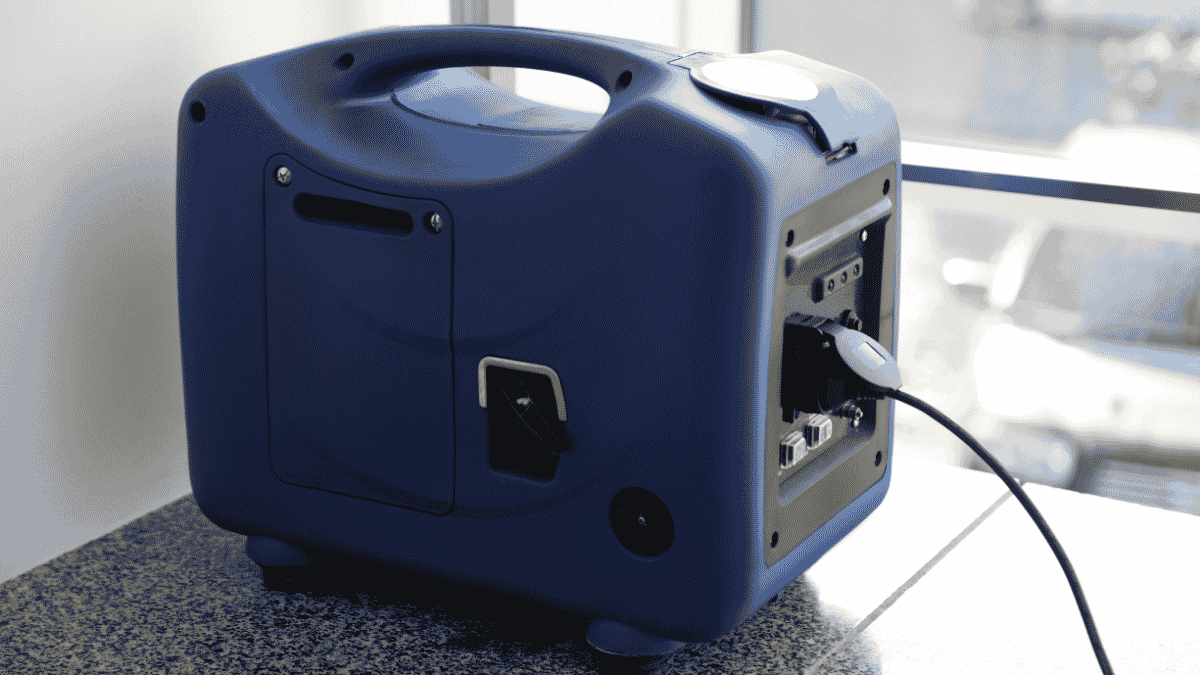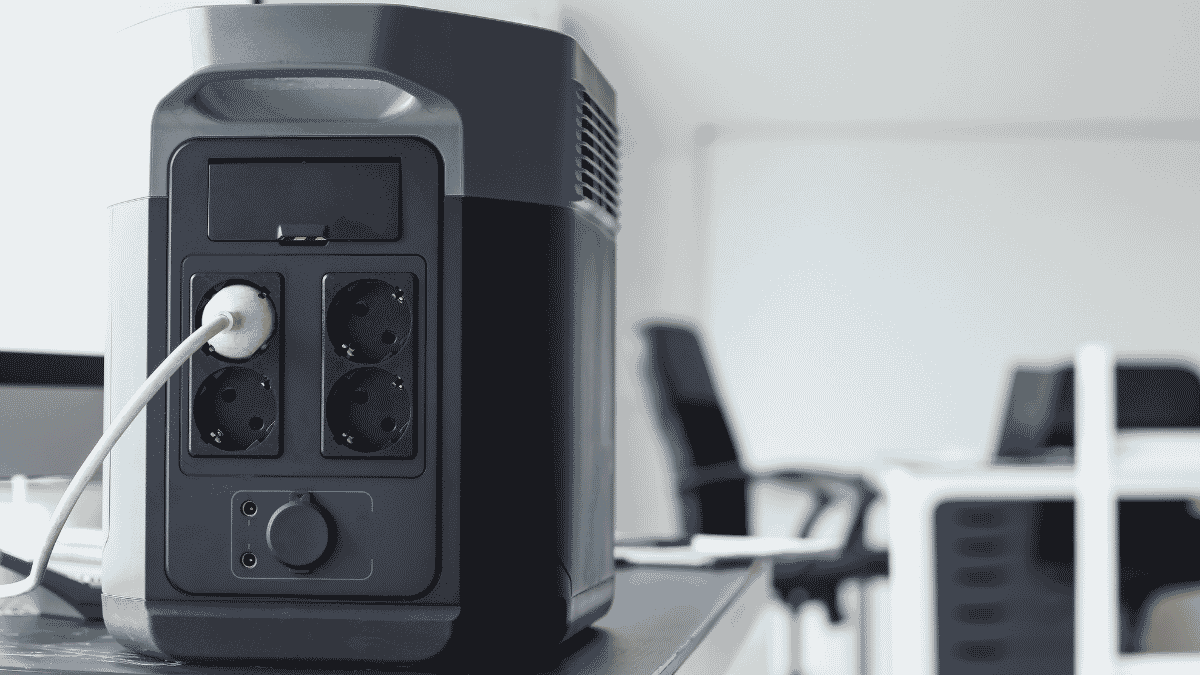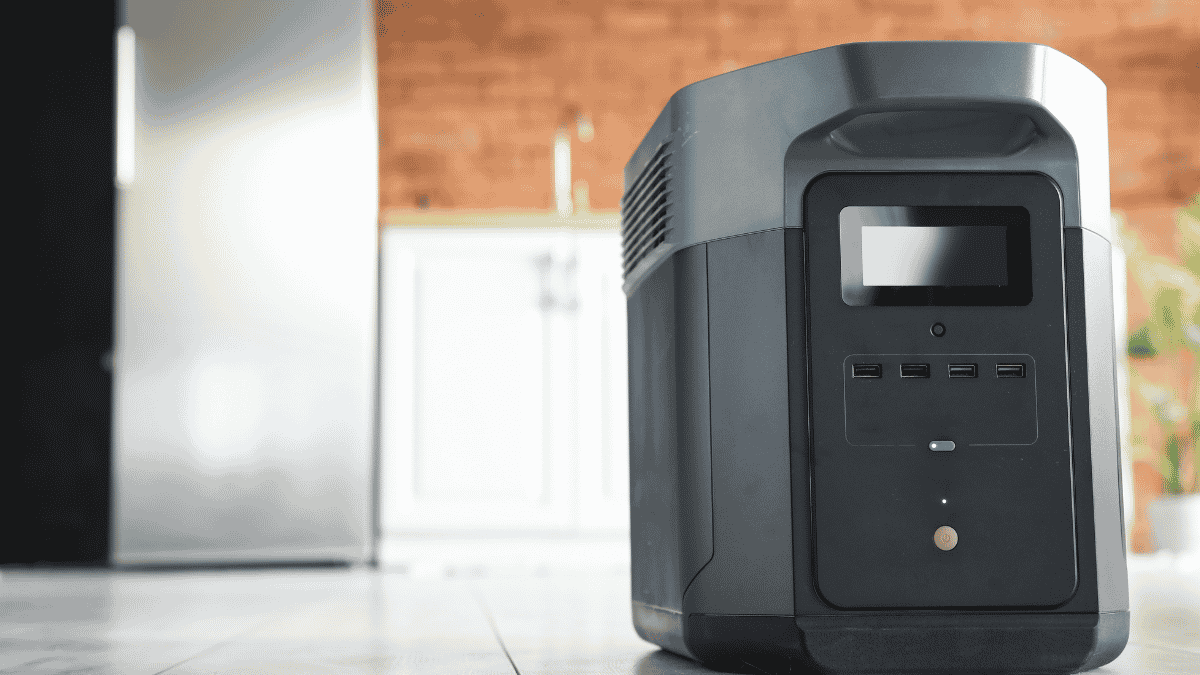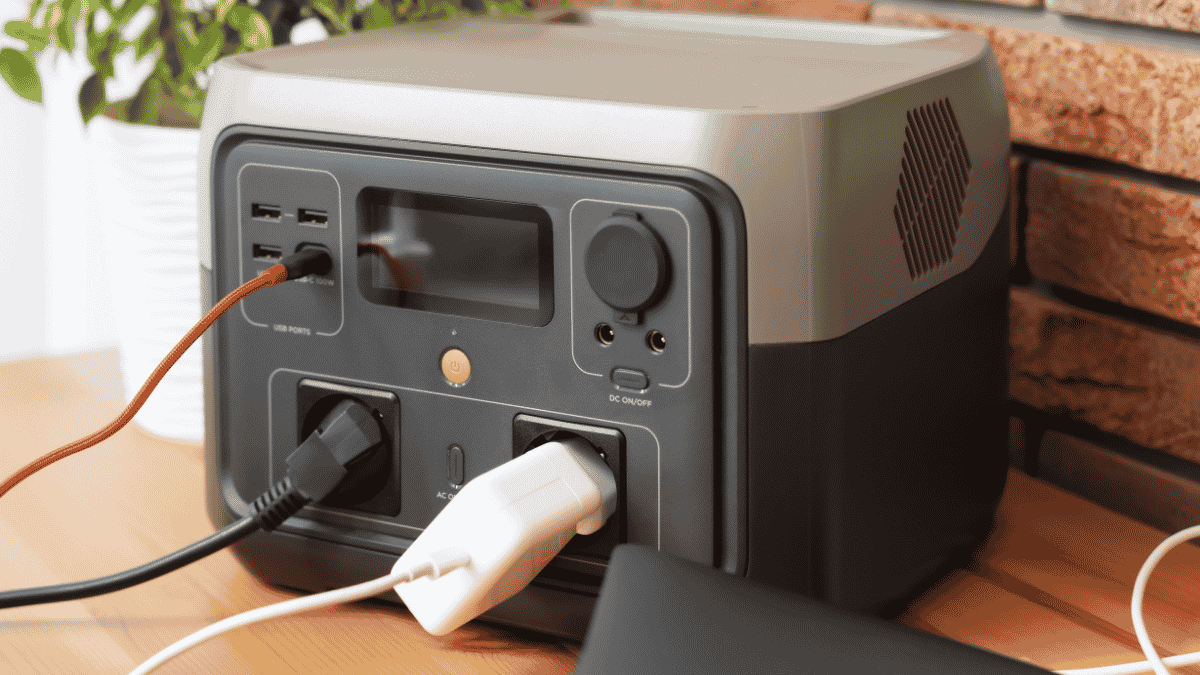
If you just unboxed a Marbero M82, M138, M155, or any other model in the lineup, knowing how to charge a Marbero portable power station correctly is the single most important skill for getting reliable power every time you need it.
Done right, it protects your battery, shortens charging time, and adds years to the unit’s lifespan.
Done wrong, it can cut that lifespan in half.
This post covers every charging method available on Marbero power stations, a side-by-side comparison of charging speeds, step-by-step instructions, and the battery-care habits that matter most for users who rely on these units for camping, road trips, home backup, and emergency power.
What to Do Before the First Charge
Before you plug anything in, read the display or LED indicator panel. Most Marbero models ship partially charged, but the manual for every model in the lineup, including the M82, M822, M823, M155, M270, and M440, recommends completing a full charge cycle before first use. This conditions the battery cells and gives you the most accurate capacity reading from day one.
Place the unit on a hard, flat surface with the rear ventilation vents unobstructed. Never charge on carpet, a pillow, or inside a closed bag. Proper airflow is critical because the built-in Battery Management System (BMS) generates heat during charging, and blocked vents can trigger an automatic safety shutdown.
The 3 Ways to Charge a Marbero Portable Power Station
Marbero power stations support three charging inputs. Each one suits a different situation, and each one comes with its own speed and trade-offs.
1. AC Wall Outlet Charging (Fastest)
This is the go-to method for home, office, or any campsite with shore power access.
How to do it:
- Connect the included AC power adapter to the DC Input port on the Marbero unit.
- Plug the adapter into a standard 110V/120V wall outlet.
- The battery indicator lights or display screen will illuminate, confirming that charging is active.
- Once all indicator lights remain solid (no blinking), the unit is fully charged.
- Disconnect the adapter from the wall first, then from the unit.
Charging time: The M82 and M822 reach 0 to 80 % in approximately 2 hours using the included adapter. Larger-capacity models like the M155 and M270 take roughly 6 to 7 hours for a full charge, while the M440 (222Wh) typically needs 6 to 7 hours as well.
2. Solar Panel Charging (Off-Grid)
Solar is ideal for camping, overlanding, or any situation where a wall outlet is not available. Marbero units are compatible with the brand’s own 21W, 30W, and 60W foldable solar panels, as well as third-party panels within the accepted voltage range.
How to do it:
- Unfold the solar panel and angle it toward direct sunlight. Adjust the built-in kickstand for maximum sun exposure.
- Connect the solar panel’s output cable to the DC Input port on the power station.
- The display will show a solar/charging indicator when power is flowing.
- Reposition the panel every few hours to track the sun and maintain peak input.
Accepted input specs (M138): DC 13V to 25V, 1.7A max. Always verify your specific model’s solar input voltage range in the manual before connecting a third-party panel.
Charging time: With a 30W panel in strong direct sunlight, the M82 reaches 80 % in roughly 2.5 hours. Full charges typically take 9 to 10 hours with a 30W panel, or around 4 to 5 hours with a 60W panel. Overcast conditions, panel angle, and seasonal sun intensity all affect actual results.
3. Car/DC Charger (On the Road)
The 12V car charger method lets you top up your Marbero while driving, making it perfect for road trips or mobile work setups.
How to do it:
- Connect the car charger cable to the DC Input port on the power station.
- Plug the other end into your vehicle’s 12V cigarette lighter socket.
- Keep the engine running throughout charging to avoid draining your car battery.
- The unit will begin charging automatically.
The same DC input port that accepts the car charger also connects to devices via the unit’s 12V DC output ports when you need to power accessories on the road.
Charging time: Car charging is the slowest wired method. Expect 7 to 8 hours for the M82/M822 and up to 8 hours for larger models like the M270.
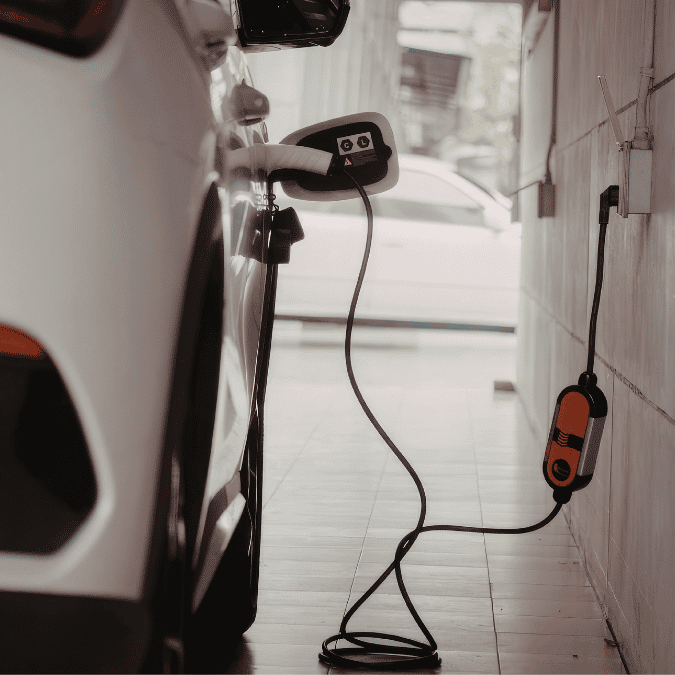
Comparing Marbero Charging Methods
| Charging Method | Est. Time (M82/88Wh) | Est. Time (Mid-Size 167-222Wh) | Best For | Notes |
|---|---|---|---|---|
| AC Wall Outlet | 0-80 % in ~2 hrs | ~5-7 hrs full | Home, office, RV hookup | Fastest; included adapter required |
| Solar Panel (30W) | ~2.5 hrs to 80 % | ~9-10 hrs full | Camping, off-grid | Time varies by sunlight intensity |
| Solar Panel (60W) | ~1.5 hrs to 80 % | ~4-5 hrs full | Extended off-grid stays | Better return per sunny hour |
| Car DC Charger | ~7-8 hrs full | ~8+ hrs full | Road trips | Engine must stay running |
Pass-Through Charging: Charge In, Power Out at the Same Time
Every Marbero power station in the current lineup supports pass-through charging. This means you can charge the unit from any input method while simultaneously powering your connected devices through the AC outlets, USB ports, or DC ports.
This is especially useful when you arrive at camp with a depleted unit and need to keep a phone or camp light running while the station refills. Just note that pass-through charging generates slightly more heat than charging alone, so make sure ventilation is clear and avoid doing this in direct sun or a hot vehicle interior
Battery Care Habits for Lifespan Extension
Marbero units use lithium-ion battery cells. Lithium-ion batteries typically deliver 500 to 1,000 full charge cycles before capacity drops to 80 % of the original rating.
The habits below can help you stay at the high end of that range.
Keep the charge between 20 % and 80 % for everyday use. Regularly running the battery to 0 % or leaving it at 100 % for extended periods accelerates cell degradation. Recharge when the display hits around 20 to 30 % and disconnect once the display reads around 80 % if you are not heading into a situation where full capacity is needed.
Store at 50 % to 80 % charge in a cool, dry location. The recommended storage temperature for most lithium-ion portable power stations is 32 to 104 degrees Fahrenheit (0 to 40 degrees Celsius). Avoid attics, car trunks in summer, or garages with extreme seasonal temperature swings.
Top up stored units every 3 to 6 months. If the unit sits unused, run it down to about 20 %, then recharge it to 50 to 80 %, and store it again. This keeps the cells active and prevents the deep-discharge degradation that can permanently reduce capacity.
Always use the included adapter or Marbero-approved accessories. Using a third-party charger that exceeds the input specs can overheat the BMS circuits. The M155, for example, uses a 15V/2A adapter. Substituting a higher-amperage adapter can shorten battery life or trigger safety shutdowns.
Clean ports regularly. Dust and debris in charging ports cause inconsistent connections. Use a soft, dry cloth on the exterior and a can of compressed air on port openings.
For a deeper look at long-term upkeep, see our full guide on how to maintain a portable power station.
Charging Safety Guidelines
- Never charge in a bathroom, near water, or in areas exposed to rain or moisture.
- Do not expose the unit to temperatures above 104 degrees Fahrenheit (40 degrees Celsius) during charging.
- If the unit feels unusually hot to the touch, stop charging, disconnect everything, and allow it to cool in a ventilated area before continuing.
- Do not disassemble, modify, or attempt to repair the unit. The BMS is factory-sealed and user repair voids the warranty.
- Keep the unit away from children and pets during charging.
- The BMS will automatically shut off power output in the event of a short circuit, overload, or detected fault. If this happens, disconnect the load, let the unit cool, and restart.
Troubleshooting
This is for when your Marbero portable power station will not charge:
No indicator lights when plugged into AC: Check that the wall outlet is live. Try a different outlet. Confirm the adapter is fully seated in the DC Input port.
Solar panel connected but no charging indicator: Verify the panel is in direct sunlight, not shade. Confirm the open-circuit voltage of the panel falls within the accepted range for your model (typically DC 13V to 25V). Clean the panel surface of dust or debris.
Car charger not working: Confirm the vehicle engine is running. Check that the cigarette lighter fuse is intact. Try the outlet with another device to confirm it has power.
Unit charges slowly: AC charging speed depends on the adapter wattage. Using a lower-wattage adapter than the one included will extend charge times. For solar, low sun angle or haze reduces panel output significantly.
Final Thoughts
Charging a Marbero portable power station takes less than five minutes to set up with any of the three available methods, but the details matter.
AC charging is fastest and most consistent. Solar is the right choice for extended off-grid use when you pair it with the right panel wattage and good sun positioning. Car charging bridges the gap on the road.
Keep the battery in the 20 to 80 % range day-to-day, store it properly between uses, and the unit will deliver reliable power through hundreds of charge cycles.
For the latest product specs, the best of the portable power stations on the market, and related guides, keep visitin PP Stations.
FAQs
Can I leave my Marbero plugged in overnight?
The BMS will stop drawing power once the unit is full, but repeated overnight charging at 100 % is not ideal for long-term battery health. Charging to around 80 % for routine use is a better habit.
What is the warranty on Marbero power stations?
Most models include a 12-month warranty from the date of purchase. Register your product with Marbero to activate support access.
Can I use the Marbero M82 to power a CPAP machine?
Yes, provided your CPAP machine’s power draw does not exceed the model’s maximum AC output (120W peak for the M82). Lower-draw travel CPAP machines are typically well within range.
For travel CPAP users, check out our post on running a CPAP on a portable power station without a humidifier to maximize runtime.