The Bluetti Elite 100 V2 is worth getting if you want a genuinely portable, fast-charging power station for camping, van life, or light home backup. At 25 pounds, with 1,800W of output and 1,000W of solar input, it holds its own against bigger, heavier rivals. The only weak point is not the hardware itself, but a couple of default settings that might catch you off guard if you’re a new user.
Here in this review of the Bluetti Elite 100, we cover its specs, the good and the bad, and what different does it bring to the table.
Specs of the Bluetti Elite 100 V2
Here are the key specs.
| Spec | Bluetti Elite 100 V2 |
|---|---|
| Battery capacity | 1,024Wh |
| Battery chemistry | LiFePO4 (LFP) |
| Continuous output | 1,800W (2,700W Power Lifting, 3,600W surge) |
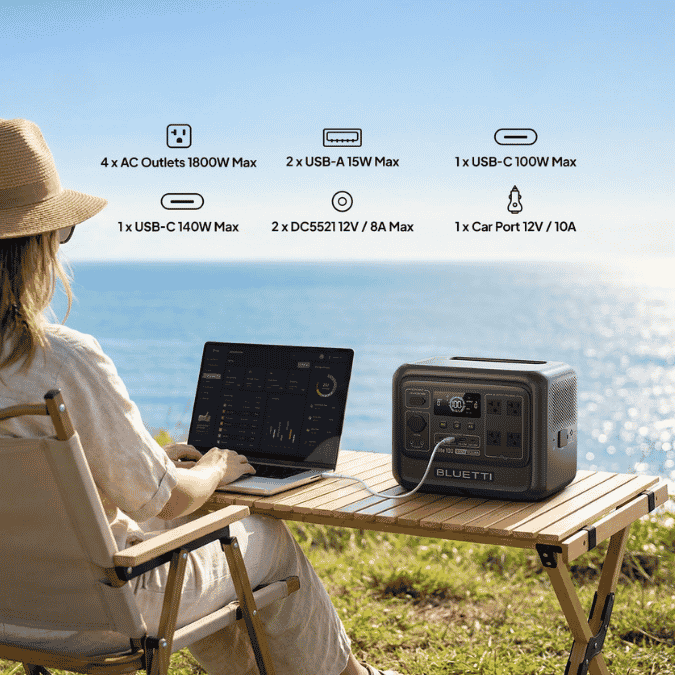
| Output ports | 4x AC, 2x USB-C (140W + 100W), 2x USB-A, 2x DC5521, 1x 12V car (11 total) |
| AC recharge time | 45 min to 80 %, ~70 min to 100 % (TurboBoost) |
| Solar input | 1,000W max, MPPT, XT60 connector |
| Car recharge time | ~1.8 hours with the Bluetti Charger 1 (sold separately) |
| UPS switchover | ≤10ms |
| Cycle life | 4,000+ cycles to 80 % capacity |
| Noise level | ~30dB under 600W load |
| Weight | 25 lbs (11.5kg) |
| Dimensions | 12.6 x 8.5 x 9.8 in (320 x 215 x 250mm) |
| Connectivity | Wi-Fi, Bluetooth, Bluetti App |
| Warranty | 5 years |
What Is the Bluetti Elite 100 V2?
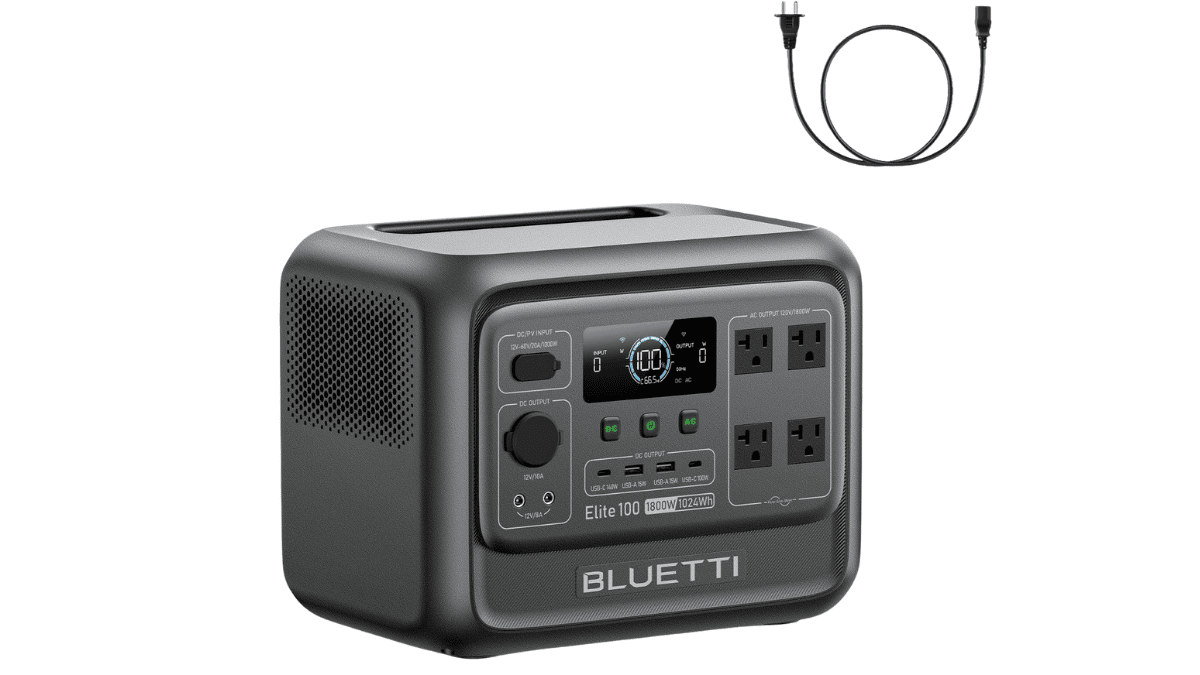
The Bluetti Elite 100 V2 is a 1,024Wh portable power station built around a lithium iron phosphate (LiFePO4) battery, designed to sit at the lighter, more portable end of the 1,000Wh class. It pairs a 1,800W pure sine wave inverter with a 1,000W solar input, which is unusually high for a unit this size, and wraps it all in a 25-pound case with a hidden carry handle.
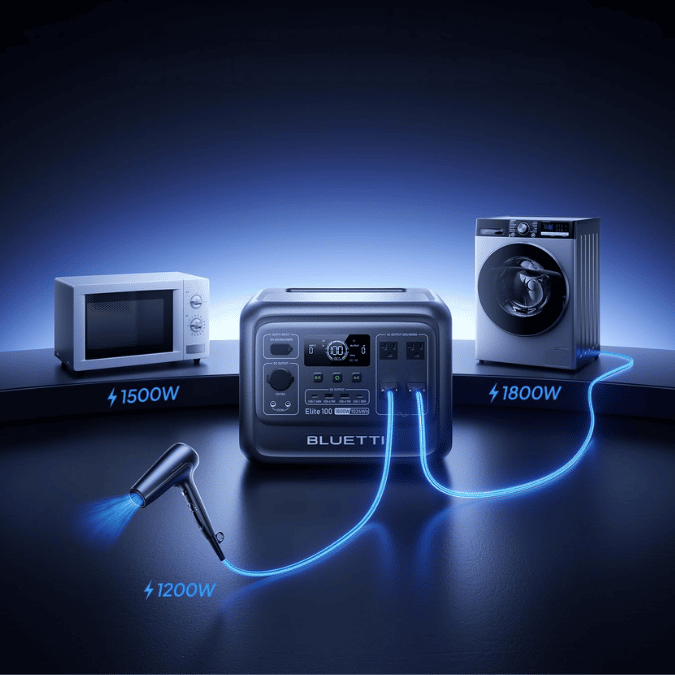
In plain terms, it’s meant to be the power station you actually want to lift and carry, not just own. It’s ideally positioned for campers, van-lifers, RV owners, and homeowners who need dependable backup power without hauling around a 40- or 50-pound unit.
And, this portable power station is also the best for apartment blackouts.
Is There a Non-V2 Bluetti Elite 100? What Changed
No. There’s no standalone “Elite 100” without the V2 tag. Bluetti launched this model directly as the Elite 100 V2, and the “V2” naming reflects its place as the second-generation successor to the AC180, one of Bluetti’s most popular mid-size stations.
If you’re comparing the two, the differences are significant. The Elite 100 V2 trades a small amount of capacity for a lighter build and considerably stronger specs everywhere else.
| Spec | Elite 100 V2 | AC180 (predecessor) |
|---|---|---|
| Capacity | 1,024Wh | 1,152Wh |
| Continuous output | 1,800W | 1,800W |
| Surge output | 3,600W | 2,700W |
| Solar input | 1,000W | 500W |
| UPS switchover | ≤10ms | 20ms |
| Cycle life | 4,000+ | 3,500 |
| Noise | 30dB | 40dB |
| Weight | 25 lbs | 37 lbs |
The AC180 still holds a modest capacity edge, but the Elite 100 V2 doubles the solar input, cuts noise by 10dB, and sheds 12 pounds. For anyone weighing the two, that trade-off (a little less capacity for a lot less weight and faster solar recharging) is the whole story.
Battery Capacity and Output
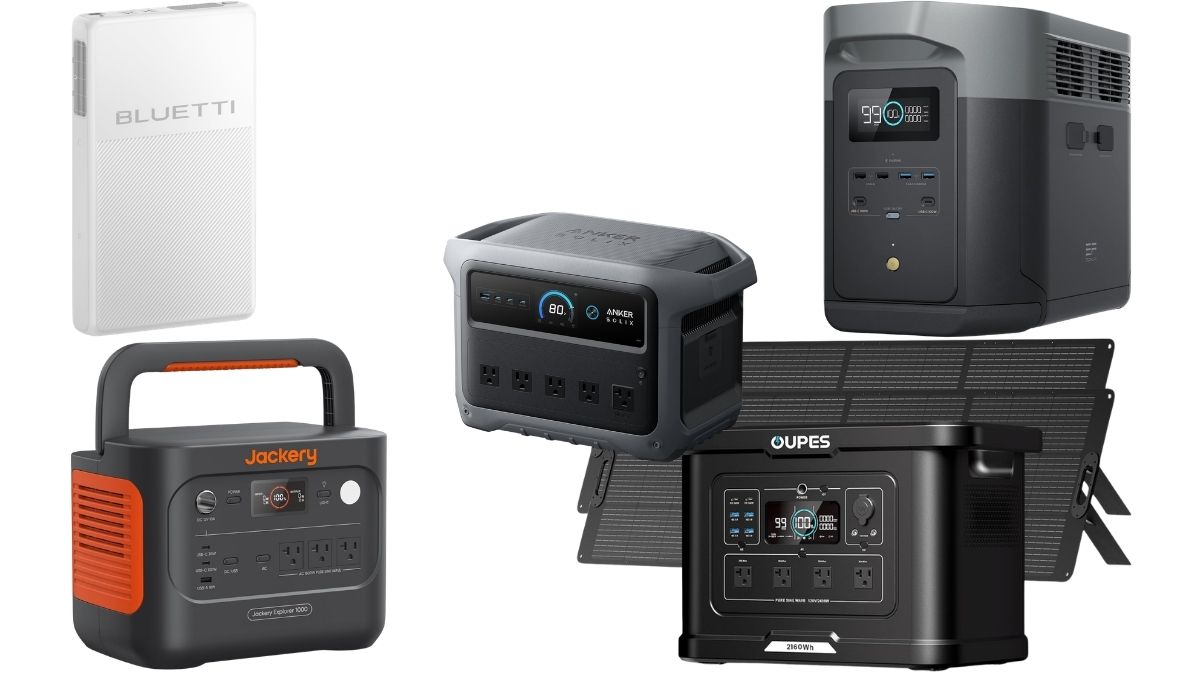
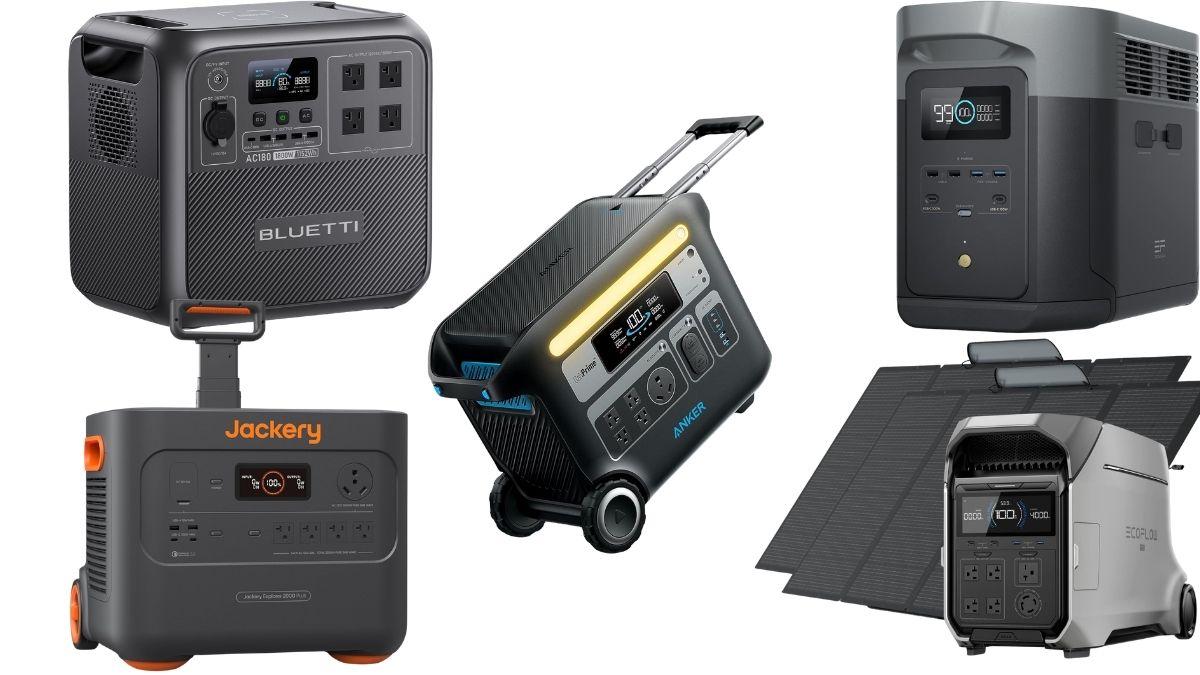
The 1,024Wh battery is the same class of capacity you’ll find in the EcoFlow Delta 2, the original Anker SOLIX C1000, and the Jackery Explorer 1000 v2, which puts the Elite 100 V2 squarely in the most competitive tier of the portable power station market. What sets it apart is how much power it can push out and take in relative to its size.
How Long Will It Actually Power Your Devices?
Runtime depends entirely on what you’re plugging in, so here’s how Bluetti’s own testing breaks down against a range of common devices:
| Device | Runtime / Recharges |
|---|---|
| Smartphone (15Wh) | ~52 charges |
| Laptop (60Wh) | ~12.6 charges |
| Box fan (40W) | ~18 hours |
| Mini speaker (15W) | ~39.5 hours |
| Camping light (10W) | ~51.8 hours |
| Portable fridge (50W) | ~14.3 hours |
| TV (85W) | ~8.9 hours |
Real-world use aligns well with those numbers. Running a CPAP machine overnight typically gets you two to three nights per charge without a humidifier, and closer to one to two nights with heated humidification running. A small 12V fridge and a set of camp lights commonly last about two days at a primitive campsite before needing a recharge, and a basement dehumidifier or box fan can run for the better part of a day.
If you want to calculate according to your own setup before purchasing, our portable power station calculator can estimate runtime based on your actual devices.
Output Ports and Max Wattage
The Elite 100 V2 has 11 total ports: four AC outlets, two USB-C ports (one at 140W, one at 100W), two USB-A ports, two DC5521 outputs, and a 12V car socket. The 1,800W continuous rating is enough for most kitchen and camp appliances, including microwaves, air fryers, electric skillets, and coffee makers, and the unit can jump to 2,700W in Power Lifting mode or a 3,600W surge for a few seconds via HyperVolt, which covers the startup spike from compressor-based devices like fridges and space heaters.
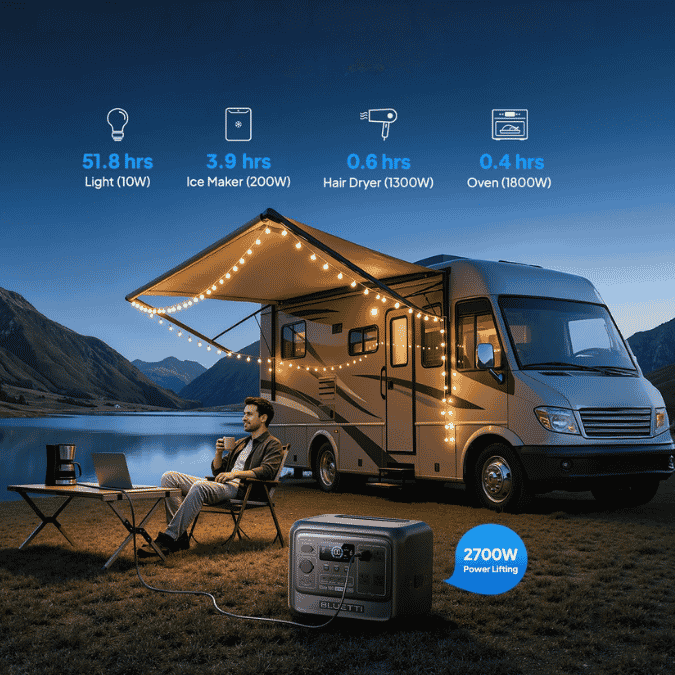
In case you’re running power tools, wedding sound systems for long hours, or induction cooktops, the inverter holds steady under load without overheating or throttling.
One drawback you should know: this power station comes with ECO mode switched on by default, and ECO mode automatically cuts AC output after it detects a load below its threshold for a period of time. That’s a non-issue for a coffee maker or a fridge, but it can silently interrupt a CPAP machine or a router running as a UPS. If you’re using this for either, open the Bluetti app and turn ECO mode off before you rely on it.
How Fast Does the Bluetti Elite 100 V2 Charge?
Charging speed is where the Elite 100 V2 genuinely separates itself from most of the 1,000Wh class.
Wall Charging Speed
Plugged into a standard wall outlet with TurboBoost active, the Elite 100 V2 goes from empty to 80 % in about 45 minutes and reaches a full charge in roughly 70 minutes, using up to 1,200W of AC input. That 45-minute figure assumes TurboBoost mode is selected rather than the slower Standard or Silent charging modes, so if a charge is taking closer to two hours, you need to check the charge mode in the app before assuming ‘there might be something wrong with the unit’.
Solar Charging Speed (With Compatible Panels)
The 1,000W solar input, through a standard XT60 connector and MPPT controller, is the highest in its capacity class. Most power stations cap out at 400W to 600W; the Elite 100 V2 can realistically go from empty to full in around 70 minutes to a few hours of good sun, depending on panel wattage. It also plays well with third-party panels.
Car Charging Speed
Using the optional Bluetti Charger 1 accessory plugged into a 12V outlet, a full charge takes about 1.8 hours, which is roughly six times faster than a standard car charging cable. This is a genuinely useful option for anyone who wants to top off the battery during a drive between campsites rather than waiting on wall power.
Who the Bluetti Elite 100 V2 Is Best For
- Campers and van-lifers who want to run a fridge, lights, and a fan for a couple of days without a bulky station taking up trunk space. See our review of the best portable power stations for camping if you’re comparing options by weight and runtime.
- Homeowners preparing for short, common power outages, since it comfortably runs a fridge, Wi-Fi router, lights, and a coffee maker through the outages most U.S. households actually experience. Our review of the best portable power stations for home backup covers larger options if you need more runtime for a multi-day outage.
- CPAP users and anyone backing up medical equipment, thanks to the ≤10ms UPS switchover and 30dB near-silent operation at bedside. See the best portable power station for medical equipment in the market right now.
- Travelers and RV owners who prioritize a light, grab-and-go unit over maximum capacity.
- Solar off-grid users who want the fastest possible recharge from a portable panel setup in this price and capacity range.
Pros and Cons
| Pros | Cons |
|---|---|
| 1,000W solar input, the highest in its capacity class by a wide margin | Comes with ECO mode enabled by default which can cut power to low, steady-draw devices like CPAP machines or a router-based UPS setup; must be disabled manually |
| Genuinely light at 25 lbs for a 1,024Wh LiFePO4 unit | Auto shutoff kicks in after 4 hours by default, which needs to be turned off in the app for longer continuous sessions |
| 45-minute 0-80 % AC charging with TurboBoost enabled | |
| Handles demanding appliances (microwaves, air fryers, power tools) within its 1,800W rating |
Bluetti Elite 100 V2 vs. Bluetti Elite 200 V2
If 1,024Wh doesn’t feel like enough runway, the Bluetti Elite 200 V2 more than doubles the capacity, at more than double the weight and price.
| Spec | Elite 100 V2 | Elite 200 V2 |
|---|---|---|
| Capacity | 1,024Wh | 2,073.6Wh |
| Continuous output | 1,800W | 2,600W |
| Surge output | 3,600W | 3,900W |
| Solar input | 1,000W | 1,000W |
| AC charge (0-80 %) | 45 min | ~50-60 min |
| Cycle life | 4,000+ | 6,000+ |
| Weight | 25 lbs | ~53 lbs |
The Elite 100 V2 is the better pick if portability and fast charging matter more than raw capacity.
Step up to the Elite 200 V2 if you’re running a full-size fridge, powering more of a home during longer outages, or need several days of runtime without recharging.
Bluetti Elite 100 V2 vs. Jackery and Anker
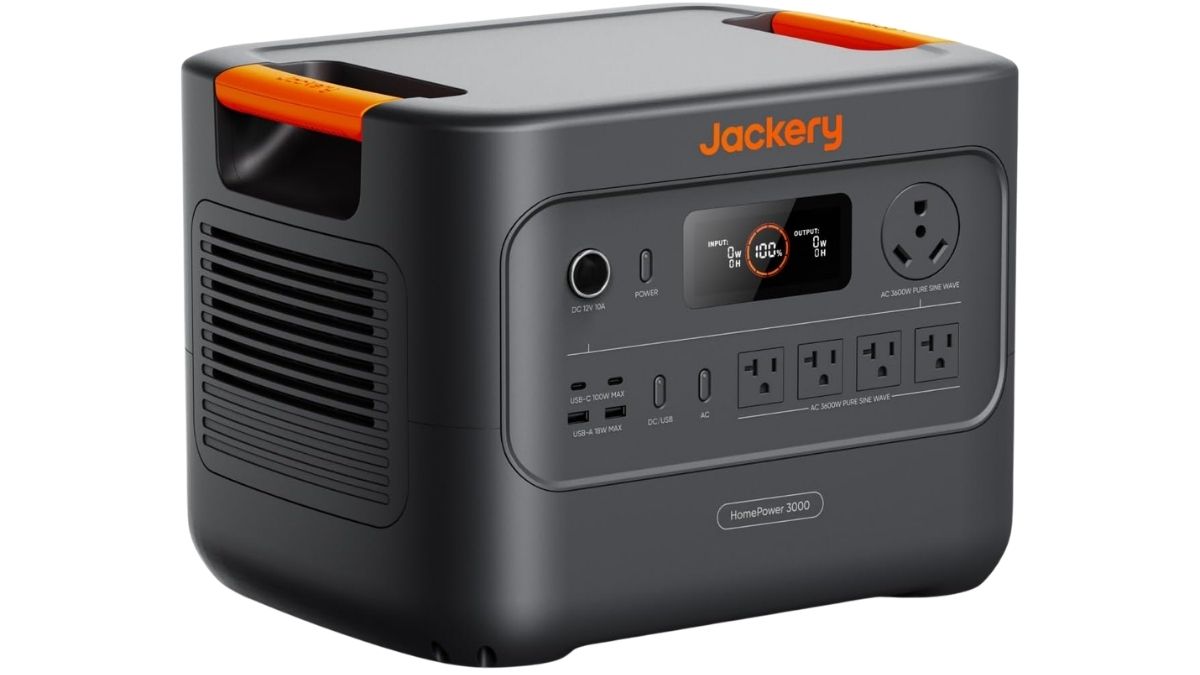
At the same rough capacity and price point, the two most common alternatives are the Jackery Explorer 1000 v2 and the Anker SOLIX C1000 Gen 2.
Here’s how the three stack up on paper.
| Spec | Bluetti Elite 100 V2 | Jackery Explorer 1000 v2 | Anker SOLIX C1000 Gen 2 |
|---|---|---|---|
| Capacity | 1,024Wh | 1,070Wh | 1,024Wh |
| Continuous output | 1,800W | 1,500W | 2,000W |
| Surge output | 3,600W | 3,000W | 3,000W |
| Solar input | 1,000W | 400W | 600W |
| AC charge (0-100 %) | ~70 min | ~60 min | ~49 min |
| UPS switchover | ≤10ms | 20ms | ≤10ms |
| Cycle life | 4,000+ | 4,000 | 4,000+ |
| Weight | 25 lbs | 23.8 lbs | 24.9 lbs |
The Elite 100 V2 wins decisively on solar input, which matters most if you plan to recharge off-grid rather than at a wall outlet.
The Anker edges it out on continuous output and raw charging speed, while the Jackery shaves off about a pound and a half if weight is your only concern.
If you’re weighing Anker specifically against a bigger Bluetti model, our review of the BLUETTI AC180 vs Anker SOLIX C1000 breaks down that matchup, in more detail.
Is It Worth the Cost?
Yes, it is worth the cost for most users, since it undercuts the Jackery Explorer 1000 v2 and Anker SOLIX C1000 on solar input while matching them on capacity and charge speed.
Given how often power outages disrupt households in the U.S. (according to federal energy data, the average customer went without power for roughly 11 hours in 2024), a fast-charging, solar-friendly backup unit in this price range earns its keep quickly for anyone who has actually sat through a multi-hour outage.
Should You Get the Bluetti Elite 100 V2?
Yes, the Bluetti Elite 100 V2 is one of the strongest all-around picks in the 1,000Wh portable power station class right now. It backs up its light, compact build with real hardware advantages, chiefly the 1,000W solar input and 45-minute fast charging, and the appliance-level output holds up under genuinely demanding real-world use.
The catch isn’t the hardware, it’s the out-of-box settings. Users who don’t know to when or how to disable ECO mode for a CPAP or router, or to switch on TurboBoost for fast charging, run into issues in the first week. Handle those two settings and this power station is easy to recommend for camping, apartment blackouts, light home backup, or travel.
FAQs
On a single charge, it typically runs a small fridge for around 14 hours, a box fan for about 18 hours, or a CPAP machine for two to three nights without a humidifier. Over its lifespan, the LiFePO4 battery is rated for 4,000+ charge cycles to 80 % capacity, which works out to roughly a decade of regular use before you’d notice meaningful capacity loss.
There is no separate non-V2 Elite 100 model. The Elite 100 V2 is Bluetti’s direct successor to the AC180, and the name reflects its place in that second-generation lineup rather than an upgrade from an earlier “Elite 100.”
With TurboBoost active on a standard wall outlet, it reaches 80 % in about 45 minutes and 100 % in roughly 70 minutes. Solar charging with a sufficiently powerful panel setup takes a similar amount of time, while charging through a car outlet with the optional Charger 1 accessory takes about 1.8 hours.
Yes to both. It comfortably runs a portable fridge for roughly 14 hours and a CPAP machine for two to three nights without a humidifier. For CPAP or any other medical device, turn off ECO mode in the Bluetti app first, since the default setting can cut power to low, steady-draw devices after a period of time. If your therapy is medically critical, it’s also worth talking to your provider about a broader power outage plan for your equipment, as Ready.gov recommends.
Yes, for campers, van-lifers, and homeowners who want fast charging, strong solar input, and a genuinely portable 25-pound build, the Elite 100 V2 is worth the price, especially at its typical $399-$499 street price rather than full MSRP. It’s less of a fit if you need to run a full-size fridge for days on end, in which case the larger Elite 200 V2 is the better investment.