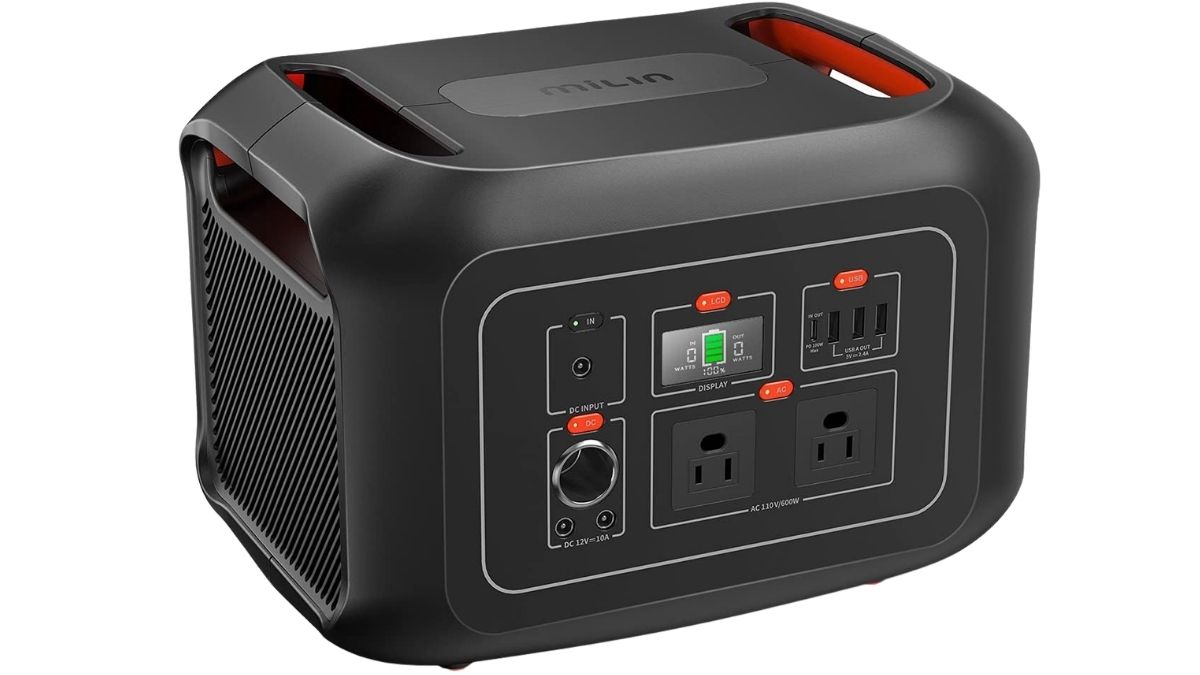
A power outage never waits for a convenient moment, right? This 622Wh MILIN portable power station aims to solve exactly that problem. This 622Wh unit promises camping reliability and budget friendly backup power. But a promise only matters if users back it up. So we reviewed it. Does the MILIN 622Wh, 600W belong in your van, garage, or camping gear list?
Let’s get right into it.
What Is the MILIN Portable Power Station?
MILIN is a budget brand. It built its reputation on this exact model in the early 2020s. It is not a household name like Jackery or Anker, and it doesn’t pretend to be. The formula is simple: useful capacity in a compact box, priced below premium competitors, and backed by proper safety certifications.
That approach has earned MILIN a loyal, if modest, following. Campers, van dwellers, and backup power shoppers like it because it avoids a four figure price tag. Is MILIN worth trusting? Based on feedback, yes, with a few checks.
The company holds UL, FCC, and UN38.3 certification. Its support team has more than once replaced faulty display panels or troubleshot charging problems. That said, some units reportedly fail within a year or two. MILIN is a solid budget brand, not a flawless one. Plan accordingly.
Key Specs
Before getting into how the MILIN 622Wh performs, here is exactly what you are getting.
| Spec | Detail |
|---|---|
| Capacity | 622Wh |
| Continuous output | 600W (1000W surge) |
| Battery type | Standard lithium ion, not LiFePO4 |
| AC outlets | 2x 110V pure sine wave |
| Fast charge | 100W USB-C Power Delivery, in and out |
| Other ports | 3x USB-A, 2x DC, 1x car socket |
| Weight | About 15 pounds |
| Recharge time | Roughly 6 to 7 hours via wall outlet |
| Certifications | UL, FCC, UN38.3 |
Will It Actually Run Your Gear?
Users run CPAP machines all night. They wake up with more than half the battery left, even with humidity settings on. That one use case has convinced plenty of tent campers and van lifers that this portable power station earns its keep.
You can run it daily inside a mobile locksmith van to power key cutters and a bench grinder. It also works as a weekly work tool. Use it for four to six hours of live street performances. You still keep 60 to 70 percent of the charge in reserve afterward.
You can run an 800 watt portable speaker for hours without a problem. It also handles a hunting cabin setup with lighting, phone charging, and a small water pump. Laptops, tablets, fans, and camera batteries charge without much drama on top of those bigger jobs.
One drawback: the DC port shuts off automatically when it detects no steady power draw. Appliances that cycle on and off, like a portable 12 volt fridge, might lose power unexpectedly. Route a mini fridge through the AC outlet instead to sidestep the issue entirely.
Owners who run a fridge off it report longer runs on the 12V port. One ran a 30 liter portable fridge on the AC outlet for about 26 hours and called the rated capacity honest. The same owner then switched to 12V with a 1.5W dummy load and still had 15% left after 49 hours. That is one fridge and one unit, so treat it as a rough guide.
Every CPAP, fridge, or power tool pulls a slightly different load. Guessing is risky. Before you assume the MILIN 622Wh covers your exact setup, run your device list through our portable power station sizing calculator. You get a real number instead of an estimate.
Battery Type and Charging Speed
The MILIN 622Wh uses standard lithium ion cells, not LiFePO4. That likely means fewer total charge cycles than a similarly priced LiFePO4 rival. Day to day, performance feels the same. The difference mostly matters for users planning years of heavy use.
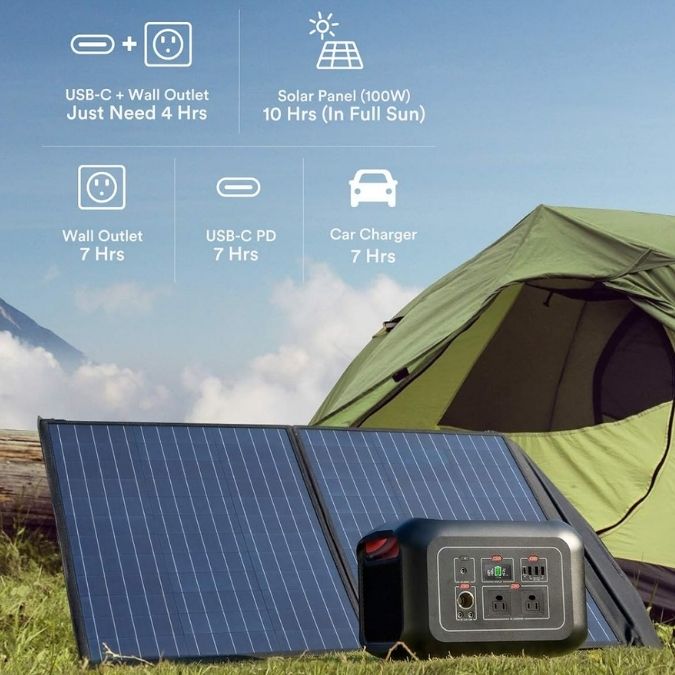
On the plus side, charging through the wall outlet and USB-C port together pushes combined input past 100 watts. That cuts charge time noticeably compared to using either port alone. A full recharge might take longer in reality, so budget six to seven hours from empty.
Two owners describe the input wattage climbing and dipping after you plug in before it settles. One also says USB-C Power Delivery charging from a power brick sometimes stops partway. A second owner sees the same dip with a wall charger and guesses the MPPT controller is searching for its best power point. Glance at the display a few minutes in to confirm charging has held.
Solar recharging works great, but it can run noticeably slower than wall or car charging at times. Treat solar as a backup, not your primary charging plan. That way you won’t be disappointed.
Does long-term battery chemistry matter more to you than saving money? Skip ahead to our under-$500 lineup of LiFePO4 picks. They are built to outlast this one.
Ports, and Portability
At roughly 15 pounds, the unit hits a sweet spot. It’s genuinely easy to carry, yet heavy enough to remind you it holds real capacity. Side handles and a flat top make it simple to slide into a backpack, duffel bag, or SUV back seat.
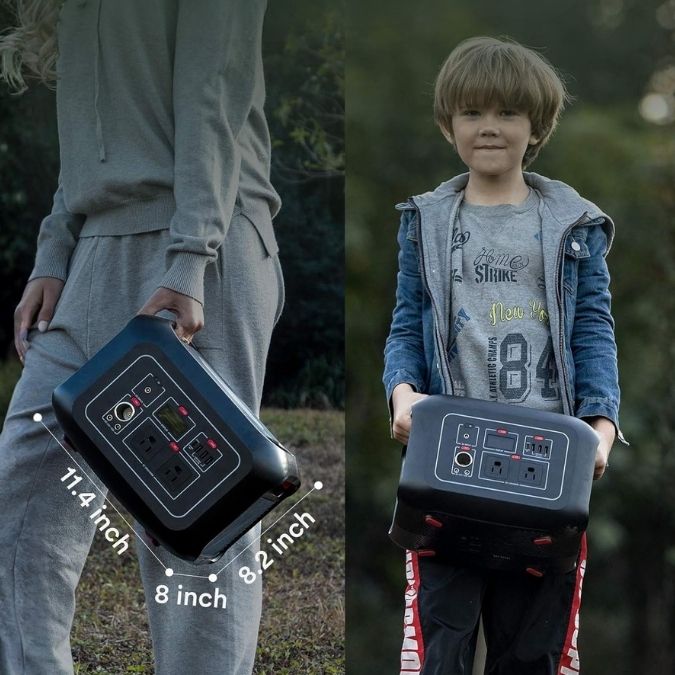
Here is what you get access to on the unit itself:
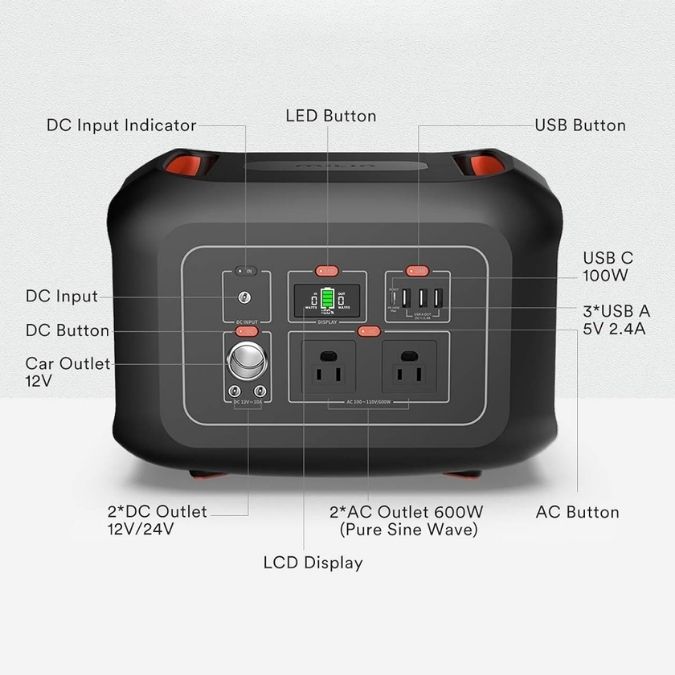
- Two 110V pure sine wave AC outlets for sensitive electronics
- One 100W USB-C port that supports both input and output
- Three USB-A ports and two DC ports for smaller devices
- A built in flashlight with an SOS mode for emergencies
- An LCD display showing real time input and output wattage
Together, these ports cover nearly every charging scenario you would realistically need.
Pros and Cons
| Pros | Cons |
|---|---|
| Reliably runs CPAP machines all night with charge to spare | DC port cuts power to intermittent draw devices like mini fridges |
| Simultaneous AC and USB-C charging pushes past 100W combined | A meaningful share of units develop display or charging faults within 1 to 2 years |
| Lightweight, backpack friendly build with side handles | |
| Strong value against pricier name brand competitors |
The DC cutoff is not a dead end for every owner. One keeps the port awake with a 12V splitter that has an LED voltmeter, drawing at least 1W with their fridge. Another owner’s similar splitter did not hold the port open at first. The first owner suspects the fridge matters as much as the splitter.
Overall, the pattern is clear. For the large majority of users, the MILIN portable power station works as intended and delivers genuine value.
When something goes wrong, though, it tends to be hard to ignore. That’s why you may see it rated a touch lower than its rivals.
How Does It Compare to Jackery, Anker, and Bluetti?
Here’s a quick side by side against the top brands for your cross reference.
| Brand and Model | Capacity | Battery Type | Price Bracket | Best For |
|---|---|---|---|---|
| MILIN 622Wh | 622Wh | Lithium ion | Budget | First time users on a tight budget |
| Jackery Explorer 500 | 518Wh | Lithium ion | Mid range | Balanced reliability and support |
| Anker SOLIX C300 | 288Wh | LiFePO4 | Mid range | Long term durability, smaller size |
| Bluetti AC180 | 1152Wh | LiFePO4 | Premium | Larger households, longer outages |
In short, the MILIN 622Wh wins on price and capacity per dollar. The LiFePO4 competitors win on long term battery health. Which matters more depends on how long you plan to keep the unit in rotation.
Want less muscle? See our under-$300 shortlist for phones, laptops, and Wi-Fi routers. It covers the smaller, lighter end of this same budget-friendly world.
Who Should Buy the MILIN Portable Power Station?
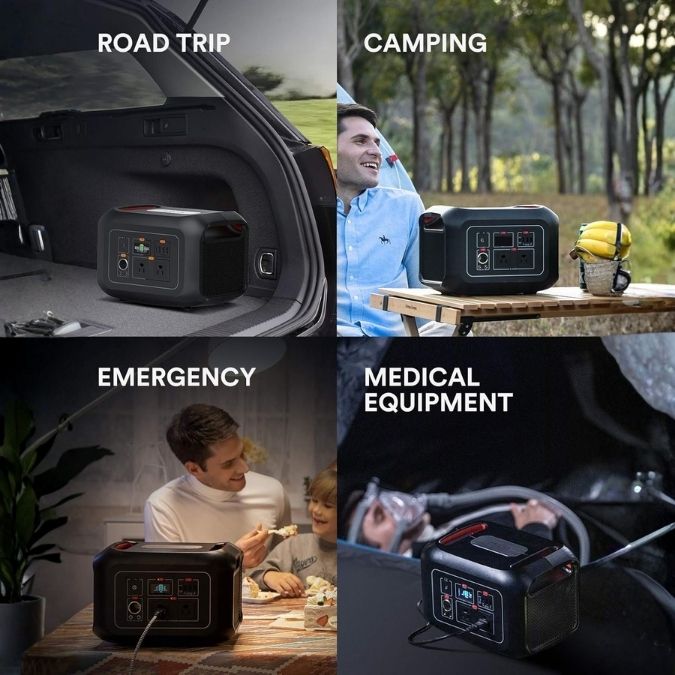
This model suits budget conscious campers, van lifers, and specific users who want dependable backup power without Jackery or Bluetti prices. It fits anyone who mainly charges phones, laptops, fans, lights, or a CPAP machine. First time users are a good fit too. They may not be ready to spend more on a LiFePO4 flagship. This is a sensible entry point.
Plan to run a 12 volt fridge continuously off the DC port? A LiFePO4 model from Jackery, Anker, or Bluetti will serve you better long term.
Is 622Wh more firepower than you need? Our review of ZeroKor’s featherweight 300W solar bundle covers a lighter, cheaper option for that smaller job.
Final Verdict
The MILIN 622Wh remains a smart purchase, even an upgrade, for anyone who wants genuine backup power on a modest budget. It comfortably keeps CPAP machines, laptops, phones, and small appliances running through a camping trip or an outage. The simultaneous charging feature is a legitimate convenience that plenty of budget rivals skip entirely.
Just plan around the DC port’s auto shutoff. Understand that you are trading some long term battery longevity for a lower price.
FAQs
Is the MILIN portable power station a legitimate brand?
Yes. MILIN holds UL, FCC, and UN38.3 certification. Its support team has a track record of replacing defective units and troubleshooting problems directly with users.
Can the MILIN 622Wh run a CPAP machine all night?
Yes, it can. Multiple users ran a full night of CPAP, even with humidity settings on. They still had more than half the battery left by morning.
Does the MILIN 622Wh use LiFePO4 batteries?
No, it uses standard lithium ion cells. That typically means fewer total charge cycles than LiFePO4 competitors. Everyday performance is unaffected.
Why does the DC port shut off unexpectedly?
The DC port powers down automatically when it detects no steady load. That can interrupt devices with intermittent draw, such as portable fridges. Route those devices through the AC outlet instead.
How does the MILIN 622Wh compare to Jackery or Anker?
This model offers more capacity per dollar. Jackery and Anker generally offer LiFePO4 batteries and stronger long term reliability. The right choice depends on your budget and how long you plan to keep the unit.